
Detroit · Grand Rapids · Ann Arbor · Southeast Michigan
Michigan winters are expensive.
Spray foam stops the leak.
Older Michigan homes lose hundreds every winter through air leaks fiberglass can't seal. Spray foam bonds to every gap, stays permanent, and cuts bills the first season.
Free On-Site Estimates · No Commitment · Certified & Insured
Get Your Free Estimate
No commitment. Responses within 1 business day.
The Real Problem
Michigan's housing stock was built before modern air sealing existed.
Most of the energy loss in a Michigan home doesn't come from the walls or the windows. It comes from the rim joists, basement walls, and attic floor, areas built in the 1960s, 1970s, and 1980s when air sealing wasn't part of residential code and fiberglass batts were stuffed in place and forgotten.
Homes in Detroit, Dearborn, Warren, and across Greater Grand Rapids were constructed during Michigan's postwar suburban expansion. The ranches, colonials, and split-levels built in that era have rim joists exposed to outdoor temperatures all winter and basement walls that conduct cold through poured concrete or block foundations around the clock.
-
Michigan lake-effect winters are relentless. Detroit averages 33 inches of snow per year; Grand Rapids averages over 70. Cold air infiltrates through rim joists and basement walls for five months straight.
-
Uninsulated rim joists are the #1 heat loss point. The band of framing at the top of the foundation is directly exposed to outdoor temps and typically stuffed with compressed fiberglass that stopped working years ago.
-
Michigan basements trap moisture. Ground moisture and spring thaw push through poured concrete and block foundations, driving condensation, mold risk, and corrosion on mechanical equipment.
-
Your furnace runs harder than it should. DTE Energy data shows Southeast Michigan homes with poor rim joist and basement insulation spend 25–40% more on heating than equivalently sized homes with proper air sealing.
Why Spray Foam
Fiberglass slows heat. Spray foam stops air.
In Michigan's climate: lake-effect winters, heavy snowfall, and basement moisture. The biggest energy loss is air infiltration, not heat conduction. Spray foam addresses both. Fiberglass only addresses one, and only when it hasn't compressed or gotten wet.
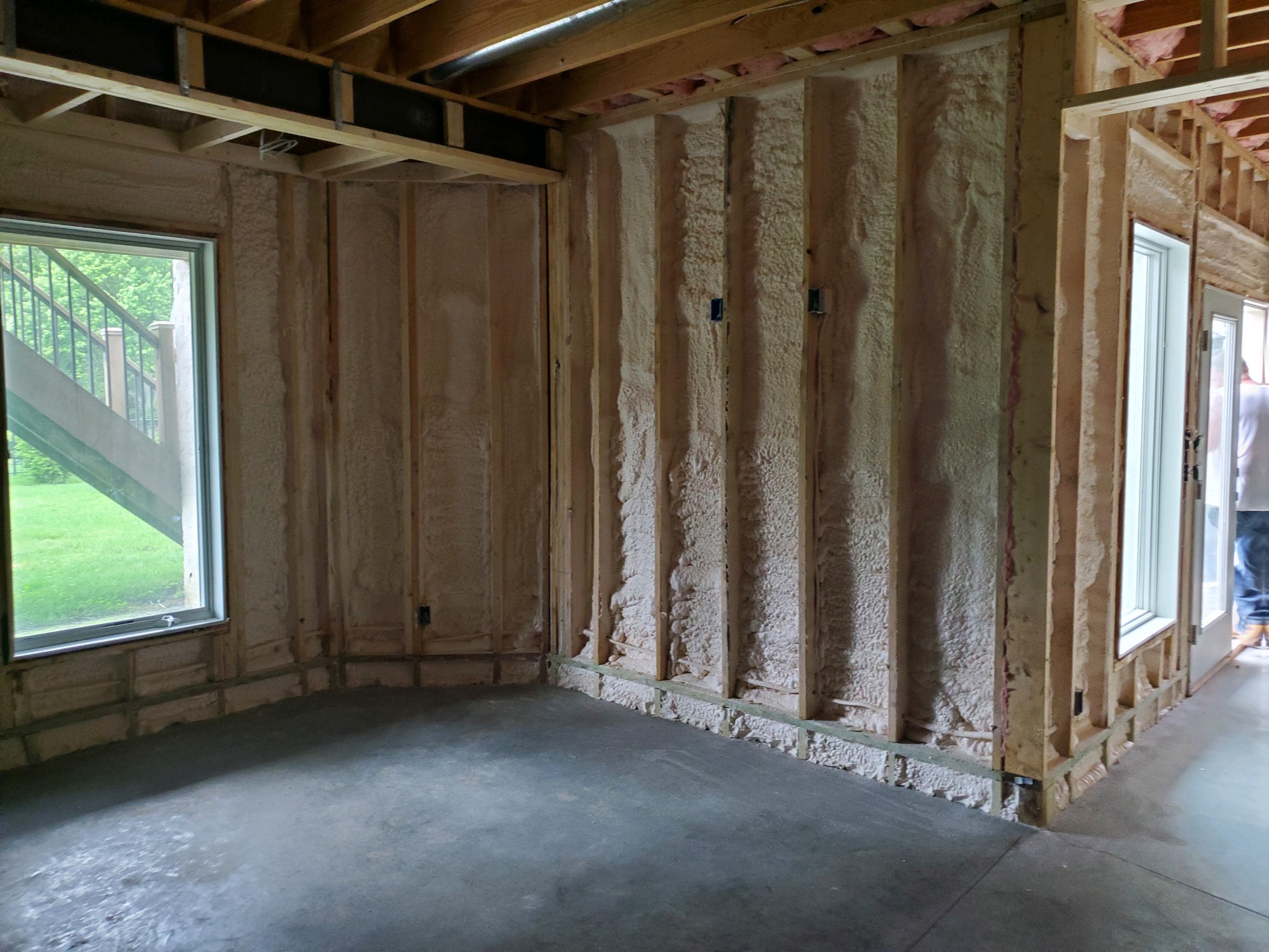
Basement Wall & Rim Joist
Closed-cell foam on the interior of basement walls and rim joists seals air infiltration at the source, adds continuous R-value against Michigan cold, and acts as a vapor retarder against moisture migration through the foundation. One application that performs through every Michigan winter.
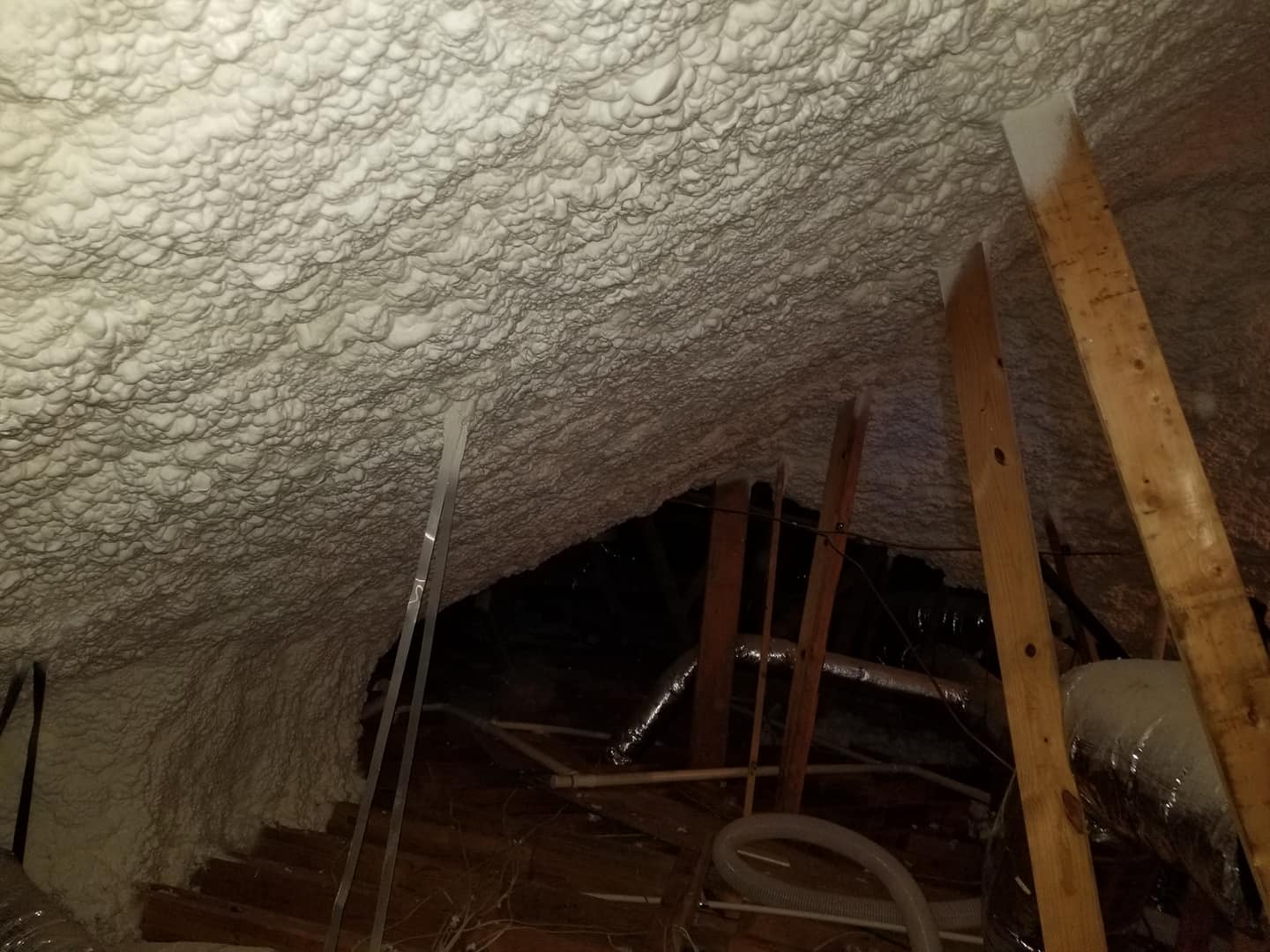
Attic Air Sealing
Older Michigan homes, especially ranches and split-levels with knee walls, have dozens of air bypass pathways through the attic floor. Open-cell foam seals those gaps permanently, stopping the stack effect that drives warm air out of the top of the house all winter.
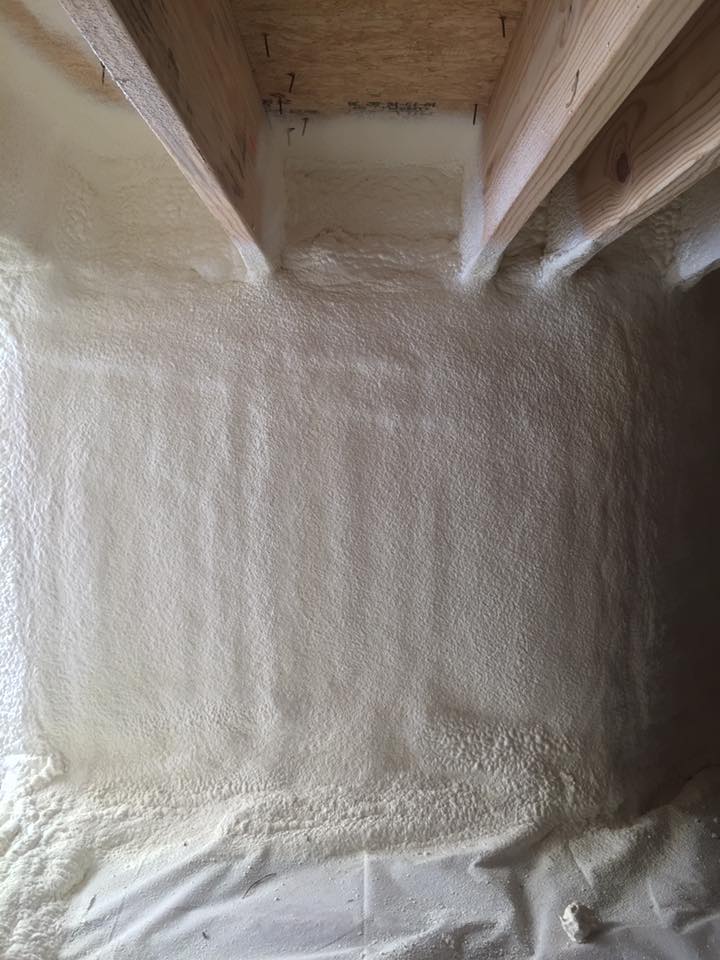
Crawl Space Encapsulation
Homes in West Michigan and rural areas south of the metro often have crawl spaces rather than full basements. Closed-cell foam on the crawl space walls and rim joists seals ground moisture and cold-air infiltration, eliminating cold floors and moisture damage to the floor assembly above.
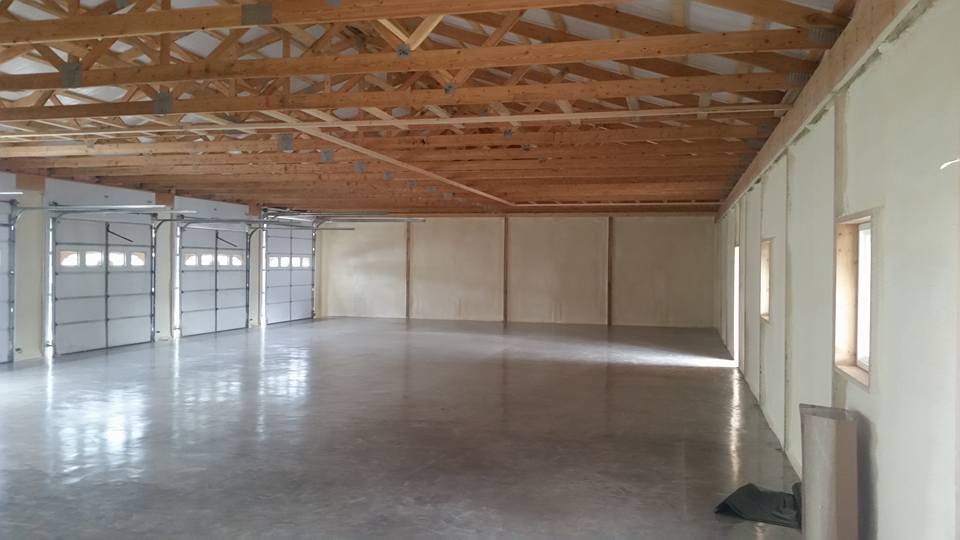
New Construction
Michigan energy code is a floor, not a ceiling. Spray foam in exterior walls, roof decks, and rim joists during construction beats blown-in or batt alternatives for air tightness. Homes built to a higher standard qualify for DTE and Consumers Energy efficiency rebates and pay less to operate every year after.
Services
Every application. One standard of work.
Attic Insulation & Air Sealing
Open-cell foam over the attic floor deck seals bypasses around light fixtures, HVAC penetrations, and framing gaps that let conditioned air escape. DTE Energy rebates may apply.
View DetailsBasement Wall Insulation
Closed-cell foam on interior basement walls creates a continuous thermal and vapor barrier from floor to rim joist. Eliminates cold basement walls, pipe-freeze risk, and ground moisture infiltration.
View DetailsCrawl Space Encapsulation
Closed-cell foam on crawl space foundation walls and rim joists seals the cavity against cold air and ground moisture. Eliminates cold floors above and mold risk in the floor assembly.
View DetailsRim Joist Insulation
The rim joist is the highest-impact, lowest-cost insulation upgrade in most Michigan homes. Spray foam delivers R-13 or better at the most exposed point of the building envelope.
View DetailsWall Cavity Insulation
Open-cell or closed-cell foam injected into wall cavities during renovation or new construction. Correct foam type by application. Consumers Energy rebates may apply.
View DetailsBlown-In Insulation
Cellulose or fiberglass blown over existing attic floor insulation where the air-sealing layer is already adequate. A cost-effective R-value top-up and a frequent qualifier for DTE rebate programs.
View DetailsBy the Numbers
What Michigan homeowners actually see.
DTE Energy efficiency program data shows 20–40% reduction in heating costs after rim joist, basement wall, and attic air sealing in Southeast Michigan homes, depending on the existing condition.
A rim joist and basement wall application in a standard Michigan ranch or colonial is typically four to six hours. Attic air sealing runs similarly. Most homeowners have their space back by end of day.
Michigan homes lose energy through air movement, especially through rim joists and attic bypasses. Spray foam stops infiltration and conduction simultaneously. Fiberglass addresses only one, and only when dry and uncompressed.
How It Works
Simple, clean, no surprises.
Free On-Site Estimate
We assess the rim joists, basement walls, attic, and crawl space, give you a clear, written quote. No surprises, no high-pressure tactics.
Prep & Protect
We mask surfaces, set up ventilation, and remove any old insulation that needs to come out first. Your home is left clean at every step.
Professional Installation
Foam is applied to the correct depth and specification for each application. We verify coverage before we leave.
Walkthrough & Sign-Off
We walk you through the completed work, confirm coverage, answer questions, and leave the site clean.
Our Work
Spray Foam Projects Across Michigan
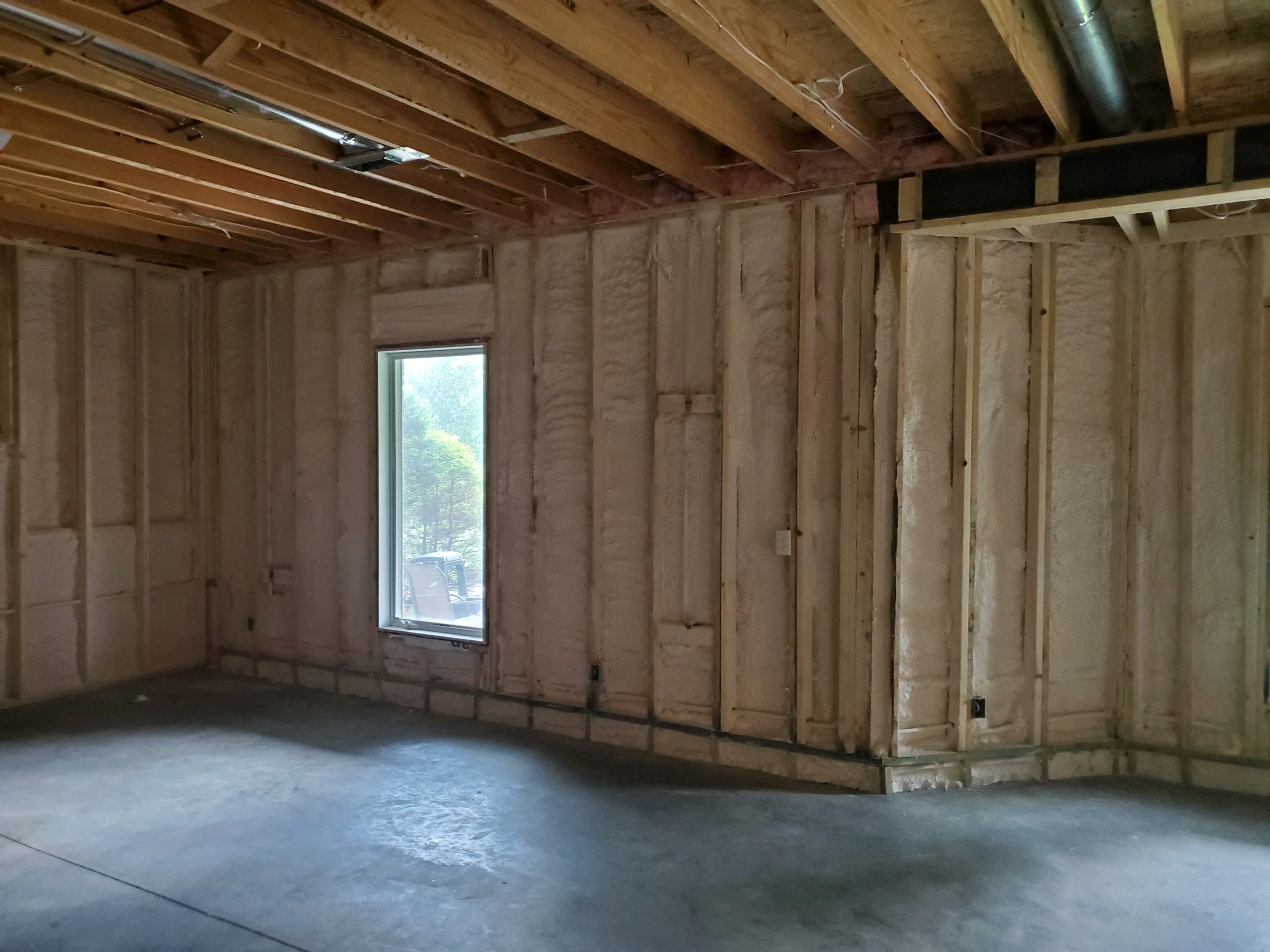
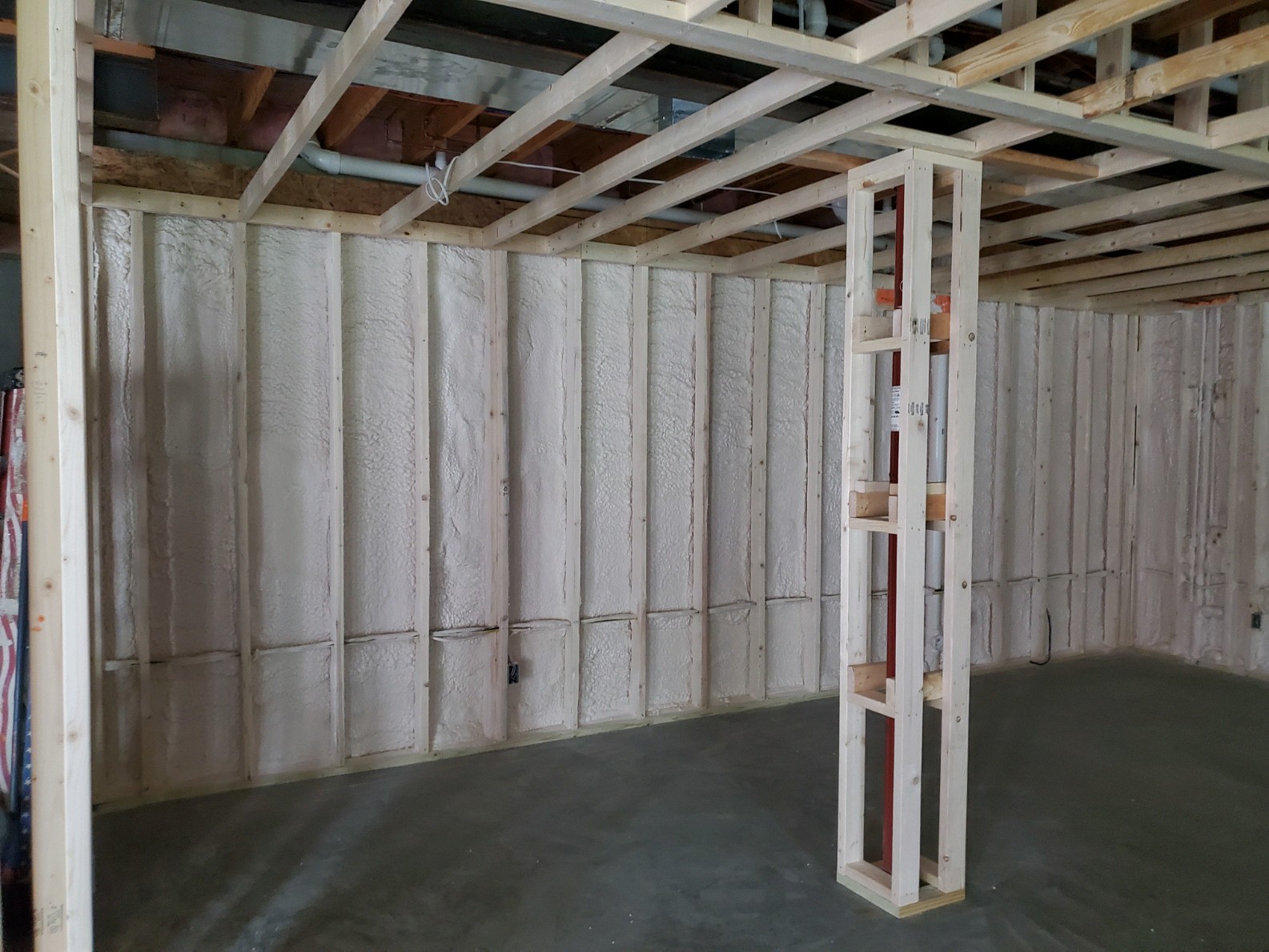
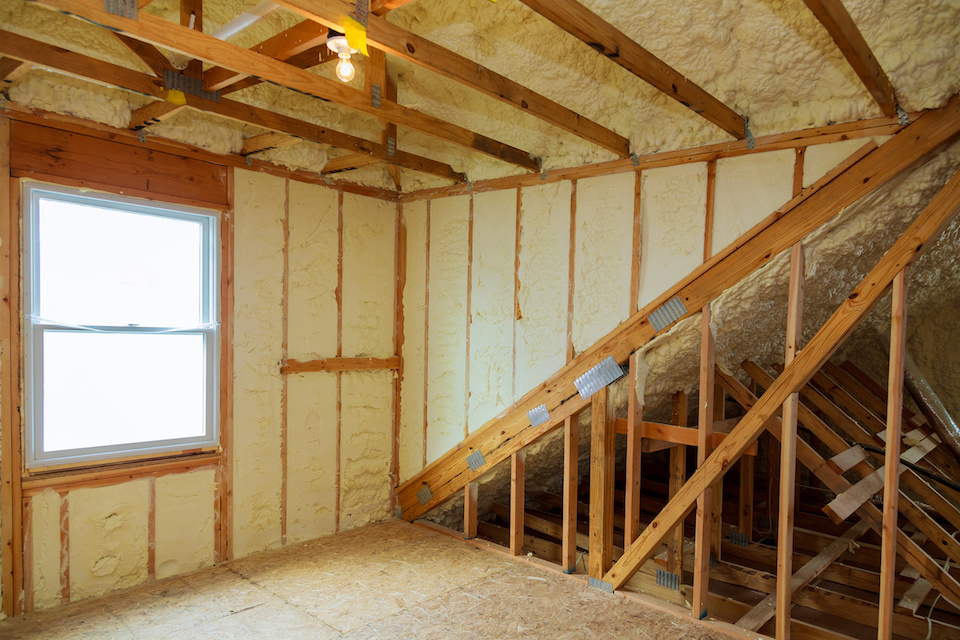
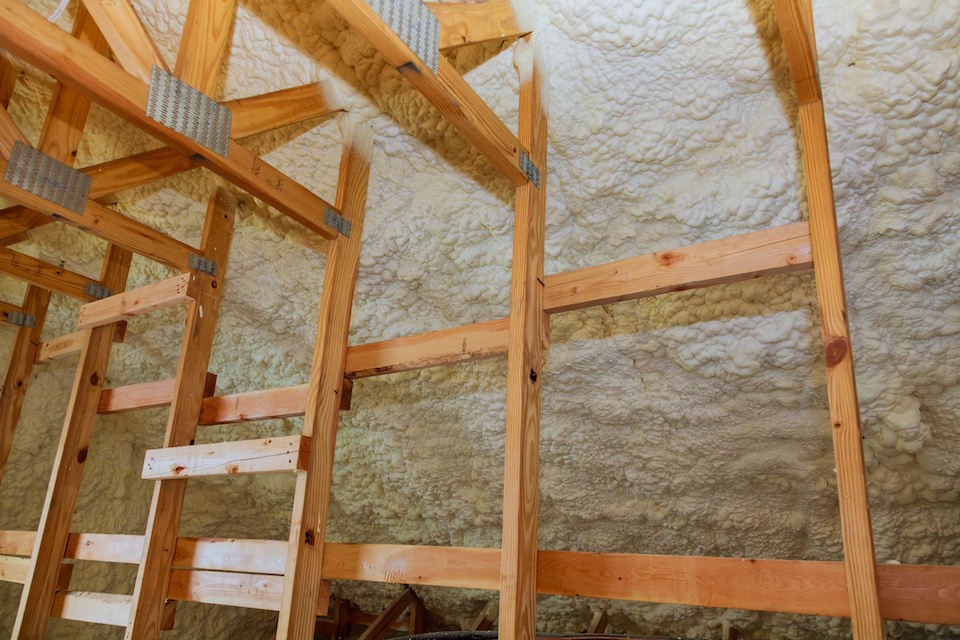
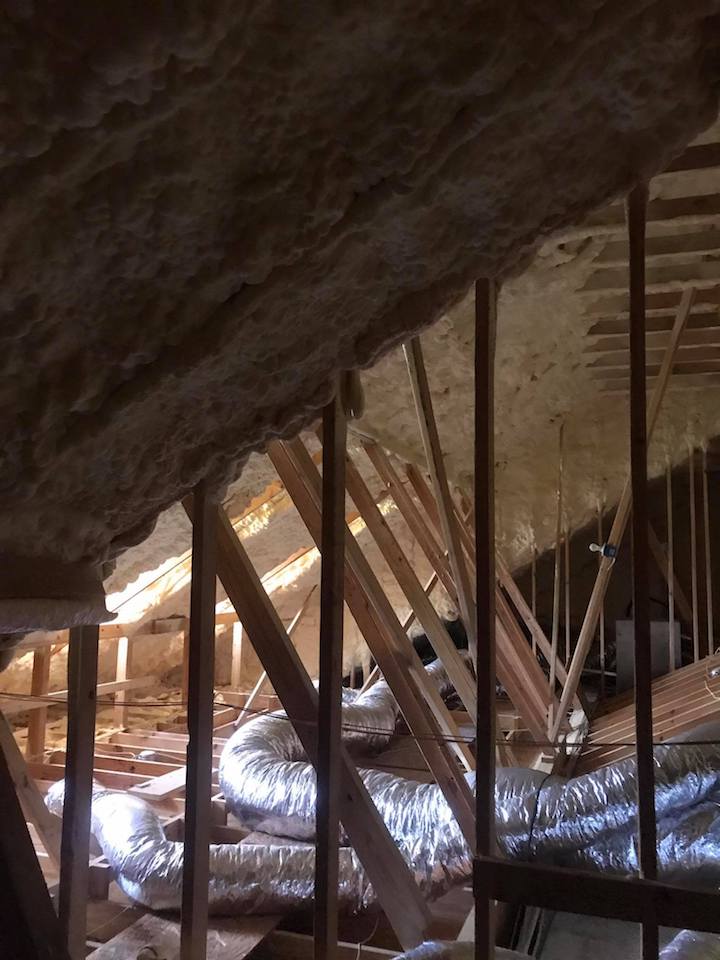
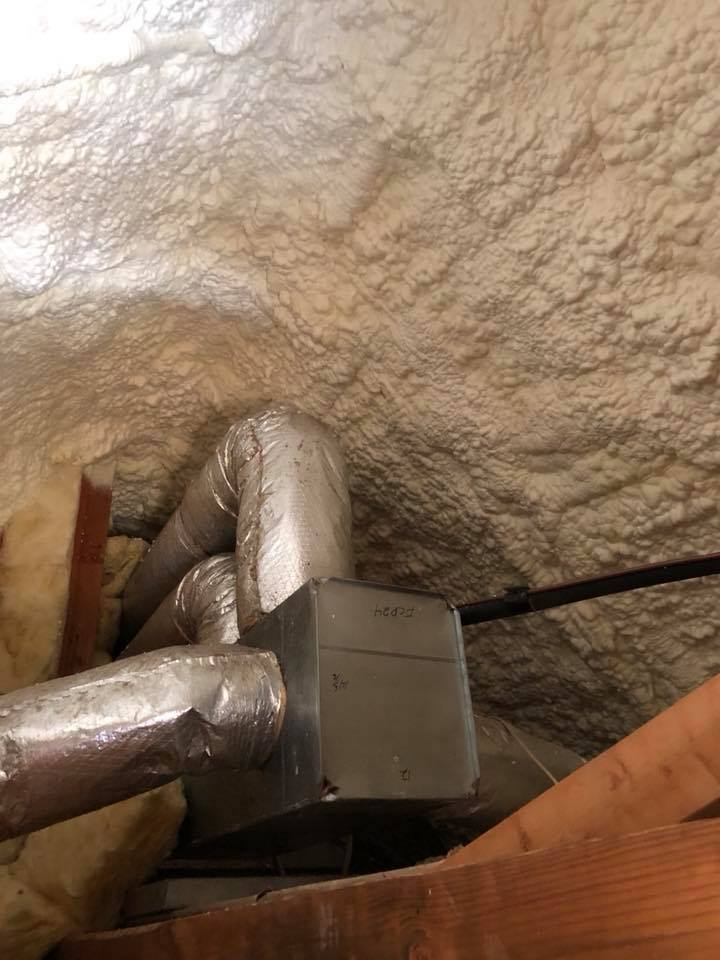
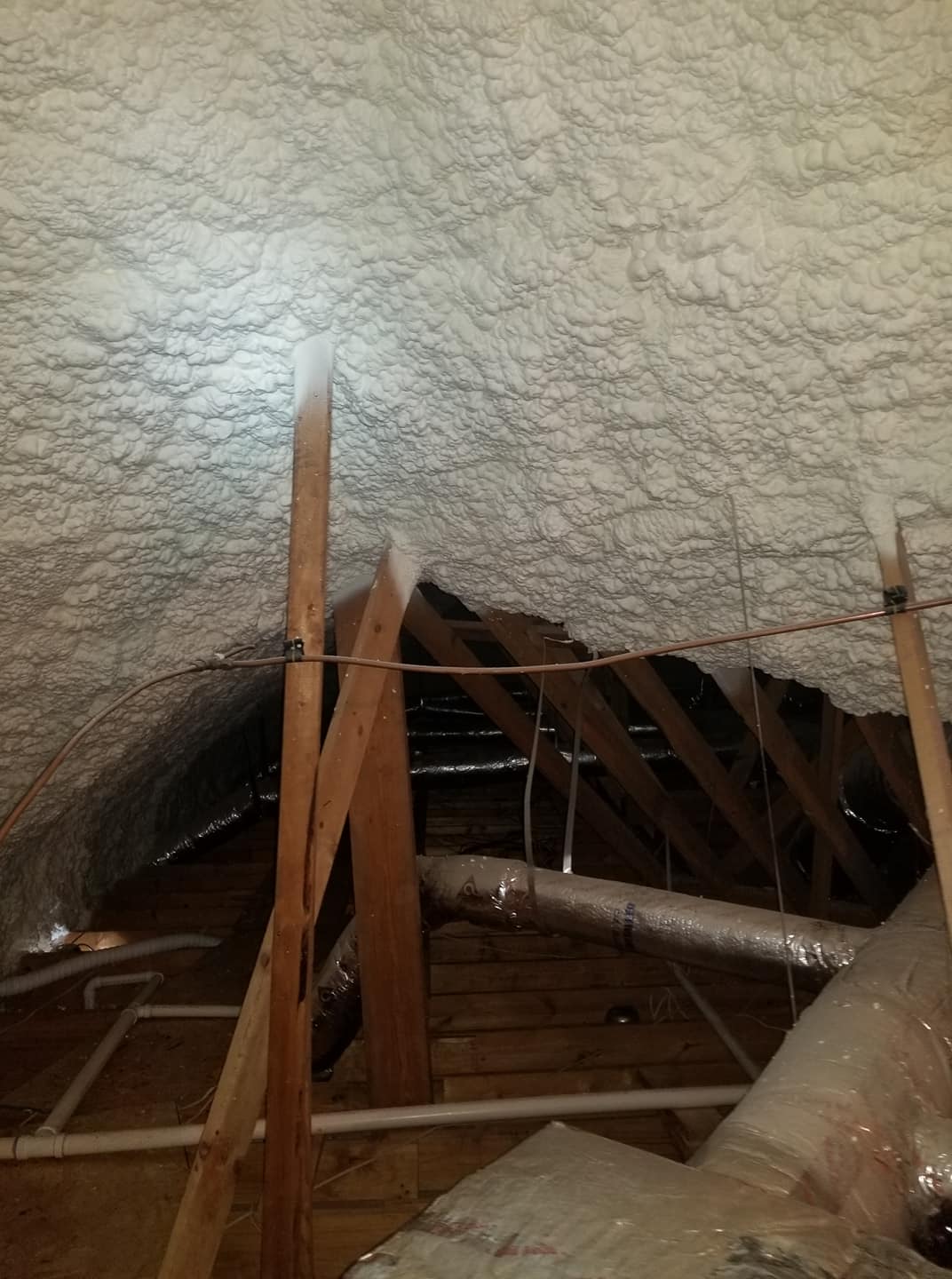
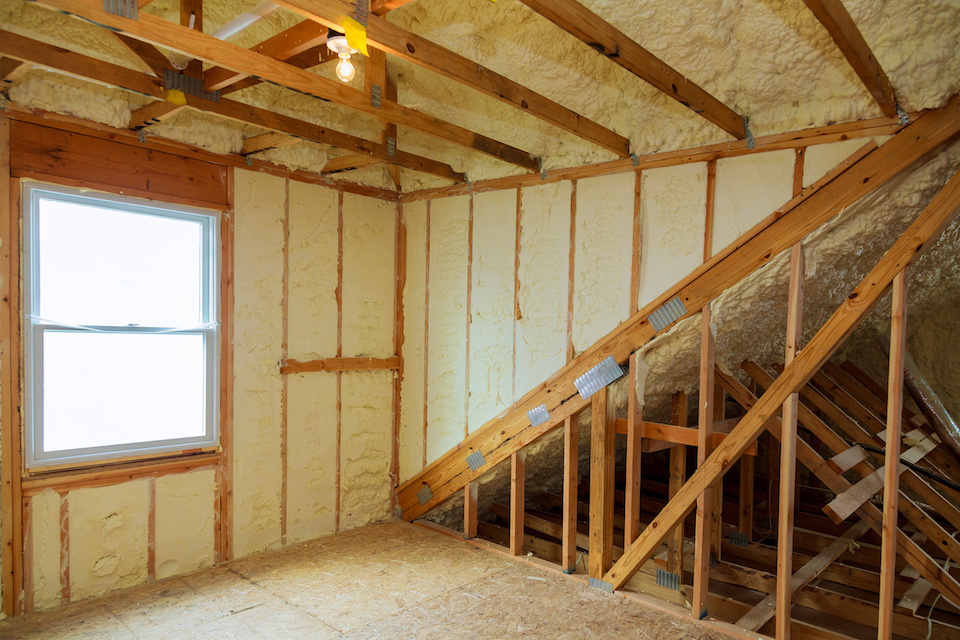
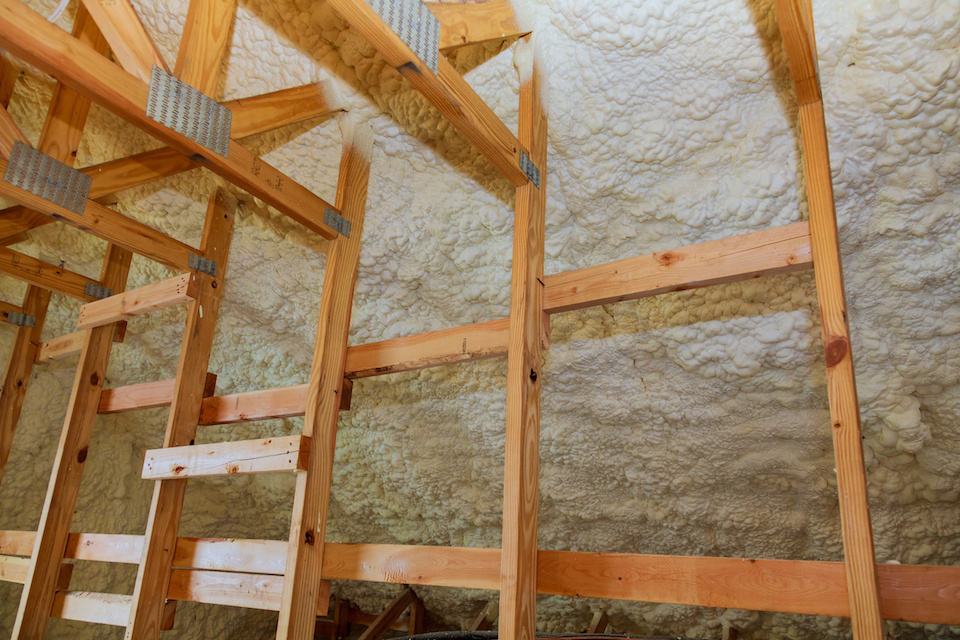
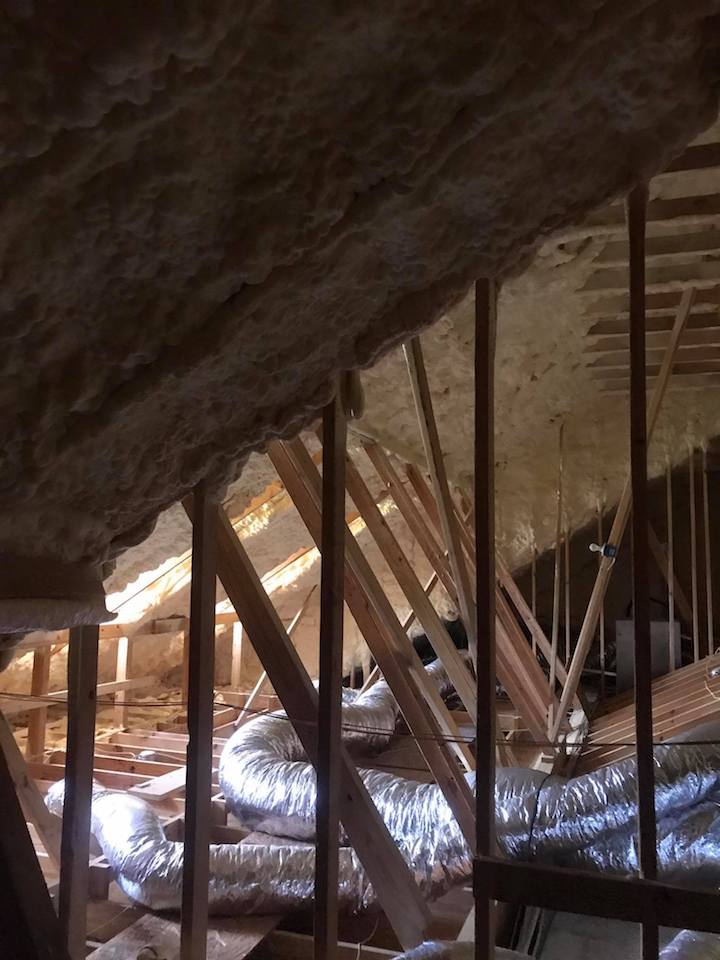
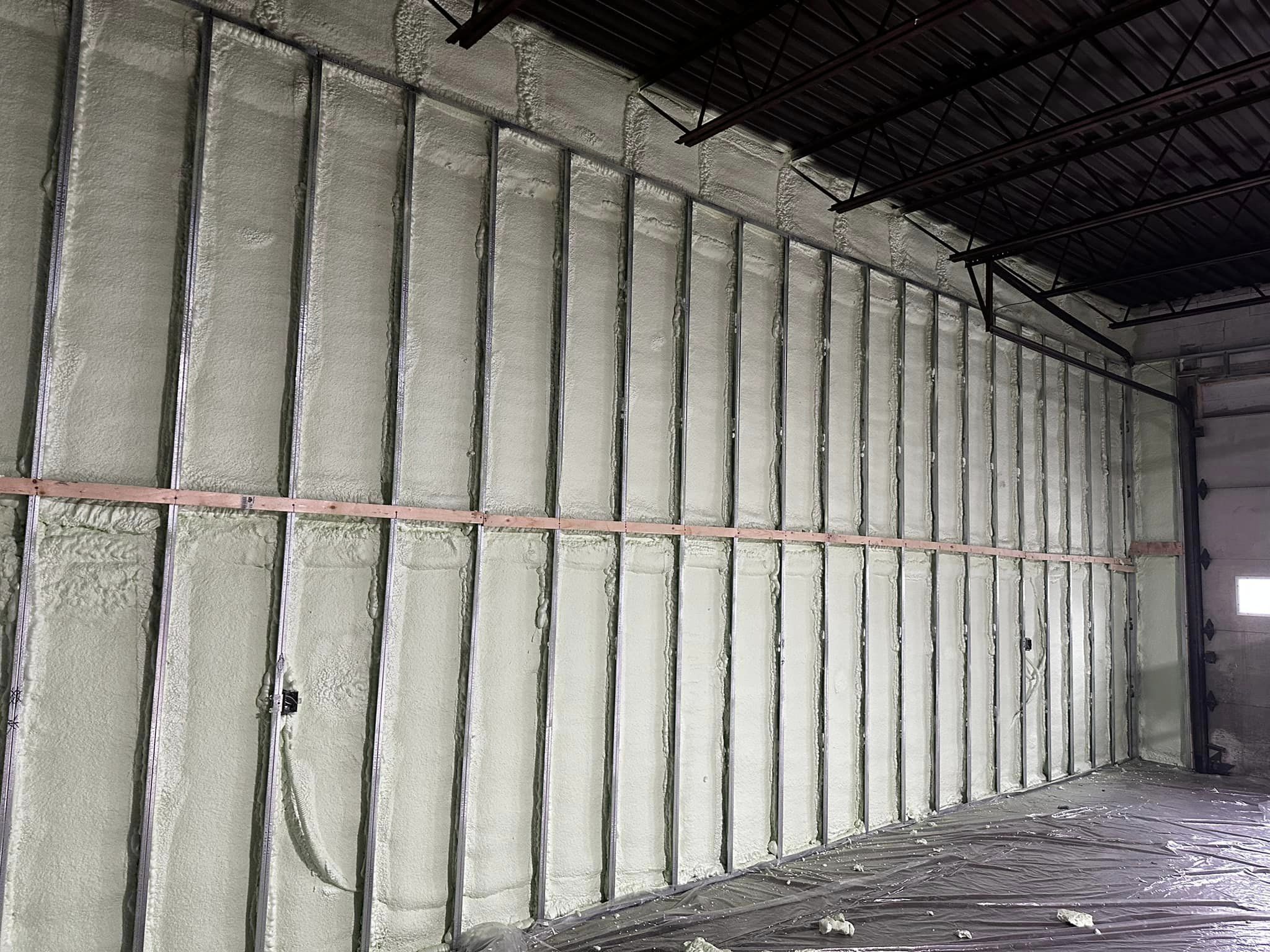
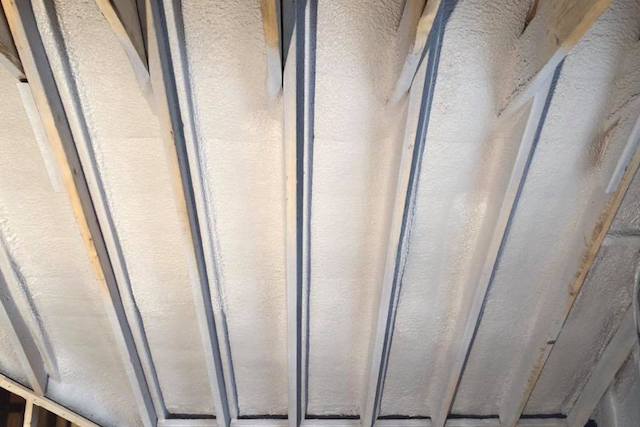
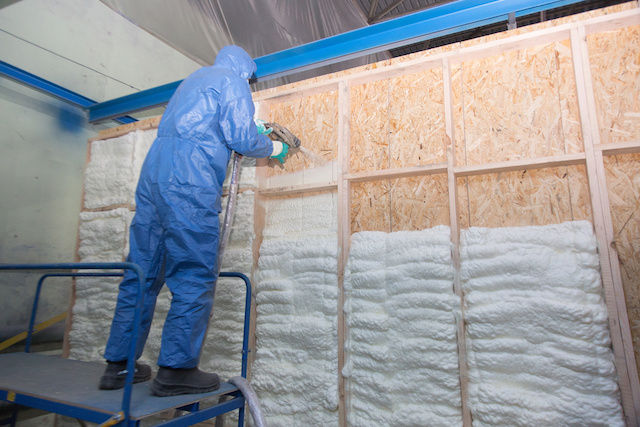
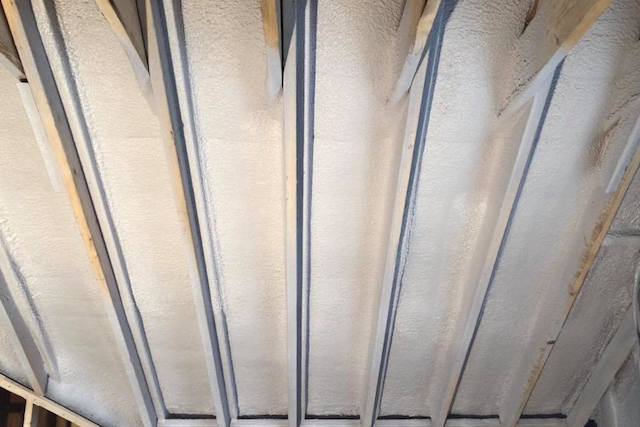
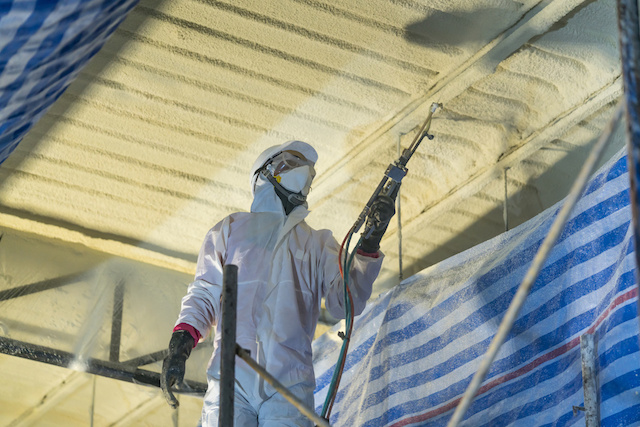
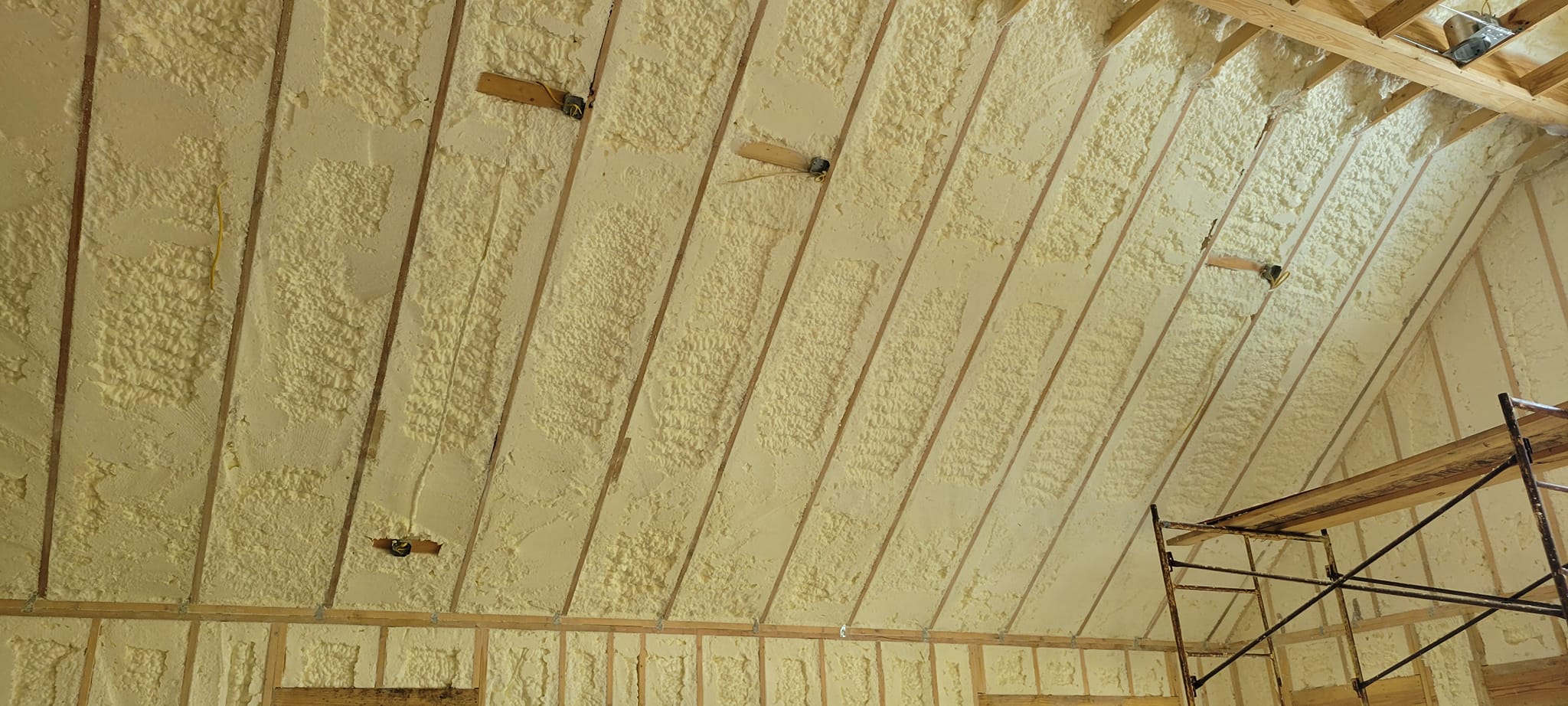
Residential and commercial spray foam insulation — attics, rim joists, basement walls, crawl spaces, and pole barns across Southeast Michigan and Greater Grand Rapids.

Service Area
Proudly serving Detroit, Grand Rapids, and communities across Michigan.

Good Questions
The things Michigan homeowners ask first.
How much does spray foam insulation cost in the Detroit or Grand Rapids area?+
Open-cell spray foam runs $1.50–$2.50 per square foot installed in the Detroit and Grand Rapids metro areas. Closed-cell runs $2.00–$3.50 per square foot. For a typical Southeast Michigan home, often a 1,200–1,800 sq ft ranch or colonial built in the 1960s or 1970s, most homeowners pay $2,500–$6,500 for a full attic and basement wall treatment. We price by the job so you know the total before we start.
What's the most common insulation problem in Michigan homes?+
Rim joists and basement walls. The majority of Michigan homes built between 1950 and 1990 have uninsulated or poorly insulated rim joists, the perimeter framing at the top of the foundation. That band of wood is directly exposed to outdoor temperatures all winter and is typically stuffed with compressed fiberglass that has lost its R-value. Closed-cell spray foam on the rim joist and basement walls eliminates cold floors, pipe-freeze risk, and a significant share of heating loss.
Does spray foam work in a Michigan basement?+
Yes, and it's one of the highest-ROI applications in Michigan's climate. Michigan basements face two threats: cold winter air infiltrating through the rim joist and above-grade foundation walls, and ground moisture pushing through poured concrete or block foundations. Closed-cell spray foam applied to the interior of basement walls and rim joists addresses both simultaneously, sealing air infiltration, adding continuous R-value, and acting as a vapor retarder against moisture migration.
What DTE Energy or Consumers Energy incentives are available for insulation upgrades?+
DTE Energy and Consumers Energy both offer rebates for qualifying insulation improvements through their Home Energy Efficiency programs. Rebate amounts vary by measure and eligibility, attic air sealing and insulation upgrades typically qualify. We recommend checking current program details on dte.com or consumersenergy.com before your estimate appointment, as program caps and per-measure amounts change annually. We can help document the work in a format that supports your rebate application.
How long does spray foam take on a typical Michigan home?+
Most residential jobs complete in one day. A rim joist and basement wall application in a standard Southeast Michigan ranch or colonial typically runs four to six hours. Attic air sealing over an existing attic floor runs similarly. Larger homes or restricted-access crawl spaces may extend into a second day. Foam cures within 24 hours and you can use the space normally after that.
Is spray foam better than blown-in cellulose for Michigan's winter climate?+
For air sealing and moisture control in Michigan, both critical given lake-effect winters and basement moisture, closed-cell spray foam outperforms blown-in cellulose in the rim joist and basement wall application because it stops air movement and acts as a vapor retarder, not just a thermal barrier. In the attic floor over conditioned space, the right answer depends on the existing air-sealing layer: if air bypasses are addressed, blown-in cellulose is a cost-effective R-value top-up. We assess each application and recommend the right approach, not a one-product-fits-all strategy.
Get your free, no-pressure estimate.
Tell us about your Michigan home and we'll give you a firm, written quote. No commitment required.