Michigan Spray Foam Insulation

Basement Insulation Michigan — Spray Foam for Basement Walls and Rim Joists

Certified Michigan contractors. Serving Detroit, Grand Rapids, and communities statewide. Same-week estimates, no obligation.
(517) 234-2744 Fully Insured Same-Week Estimates Statewide Coverage

Michigan Basements Lose Heat in Three Ways

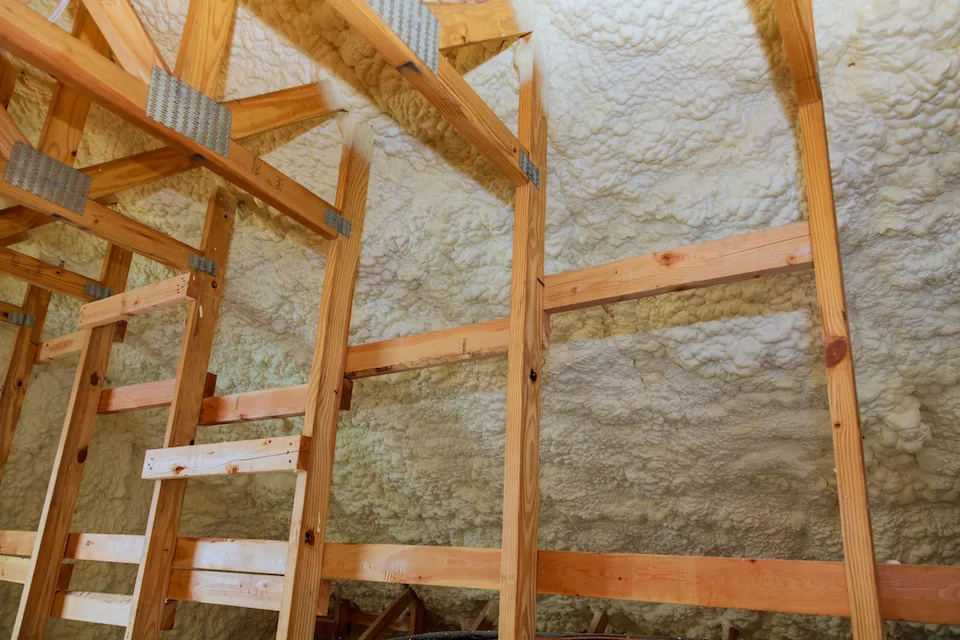
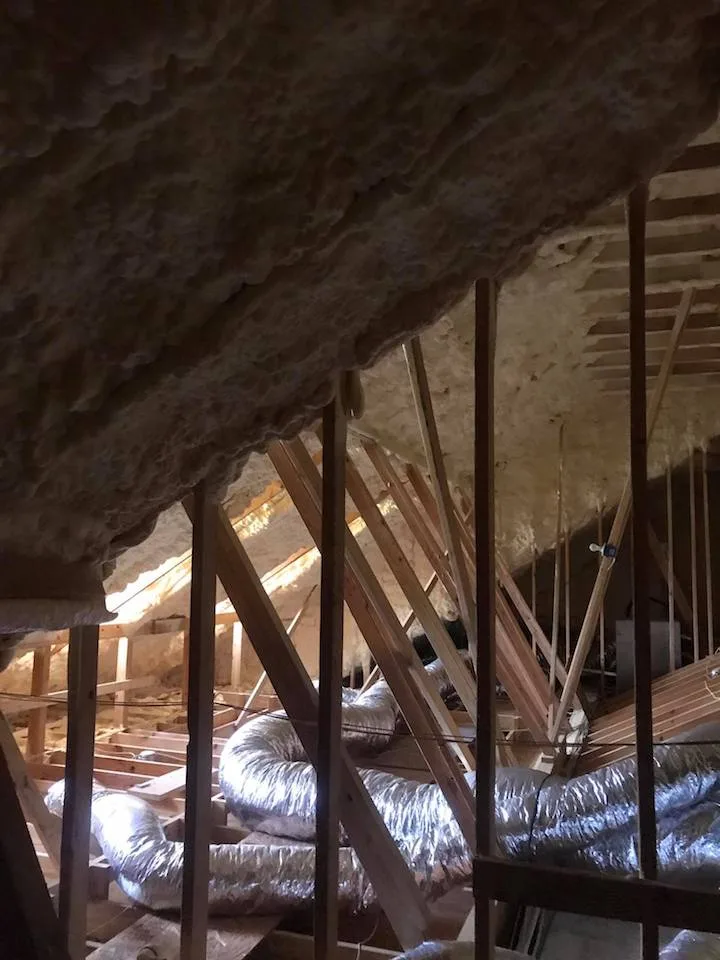
Michigan homes built between 1930 and 1990 lose a significant share of their heat through the basement. The mechanisms are predictable: an exposed rim joist at the top of the foundation wall, uninsulated basement walls, and penetrations that allow cold air to move freely into the living space above. Spray foam applied to all three locations creates a complete thermal and vapor barrier in a single application.

The Three Basement Heat Loss Points

Rim Joist

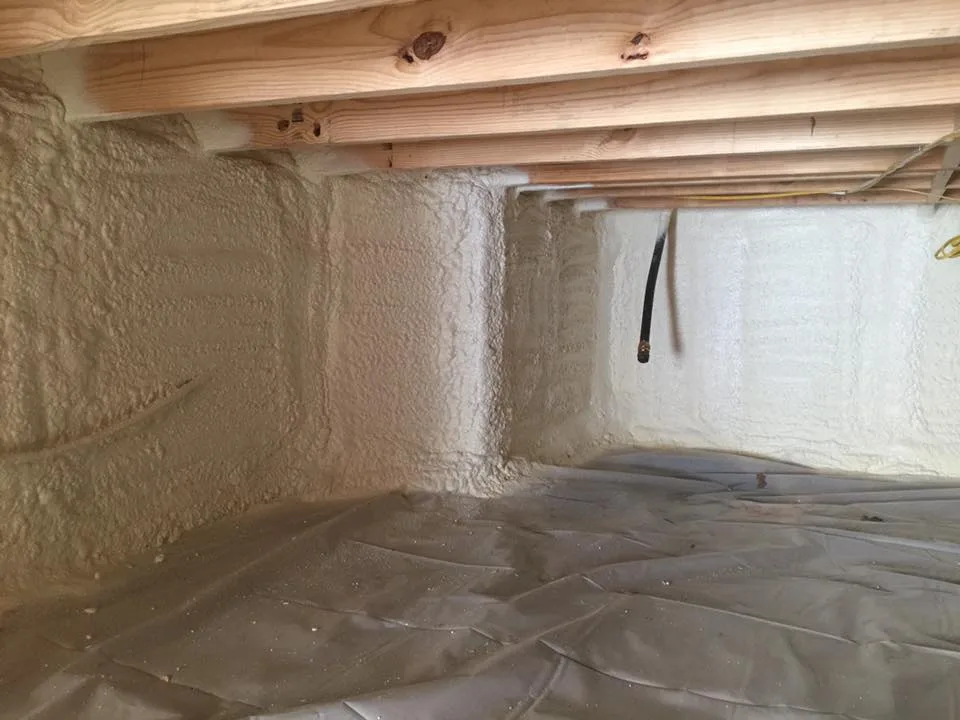
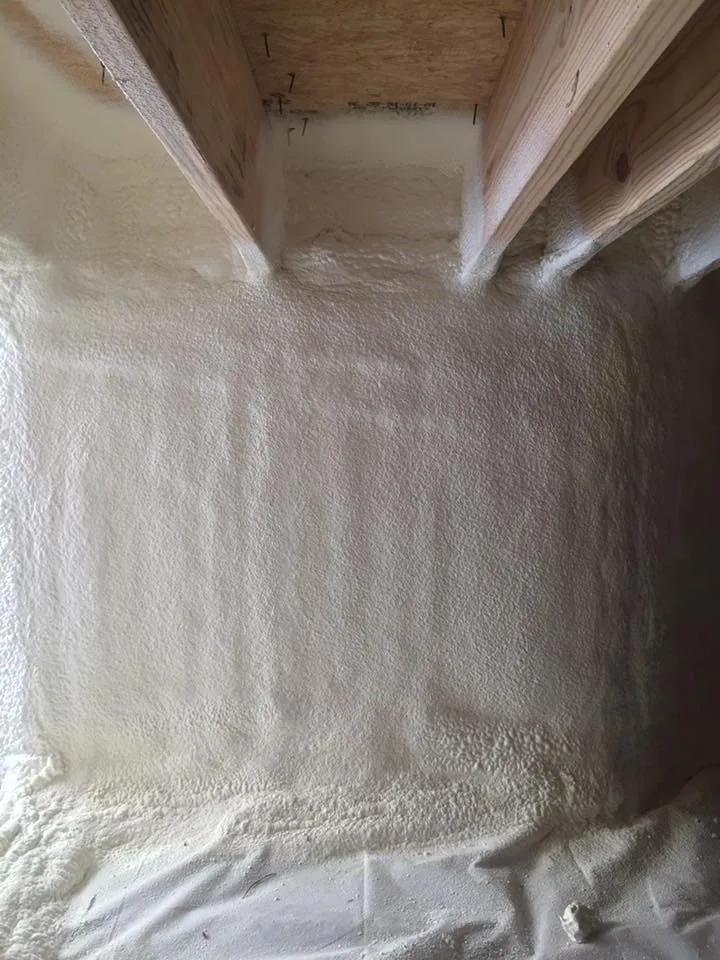
The rim joist spans the full perimeter of the house. In most pre-1990 construction it is either uninsulated or has compressed fiberglass that provides no meaningful air resistance. Closed-cell spray foam applied to the rim joist creates an R-13 to R-20 air-sealed barrier. This is consistently the highest-return application in the basement.

Foundation and Basement Walls

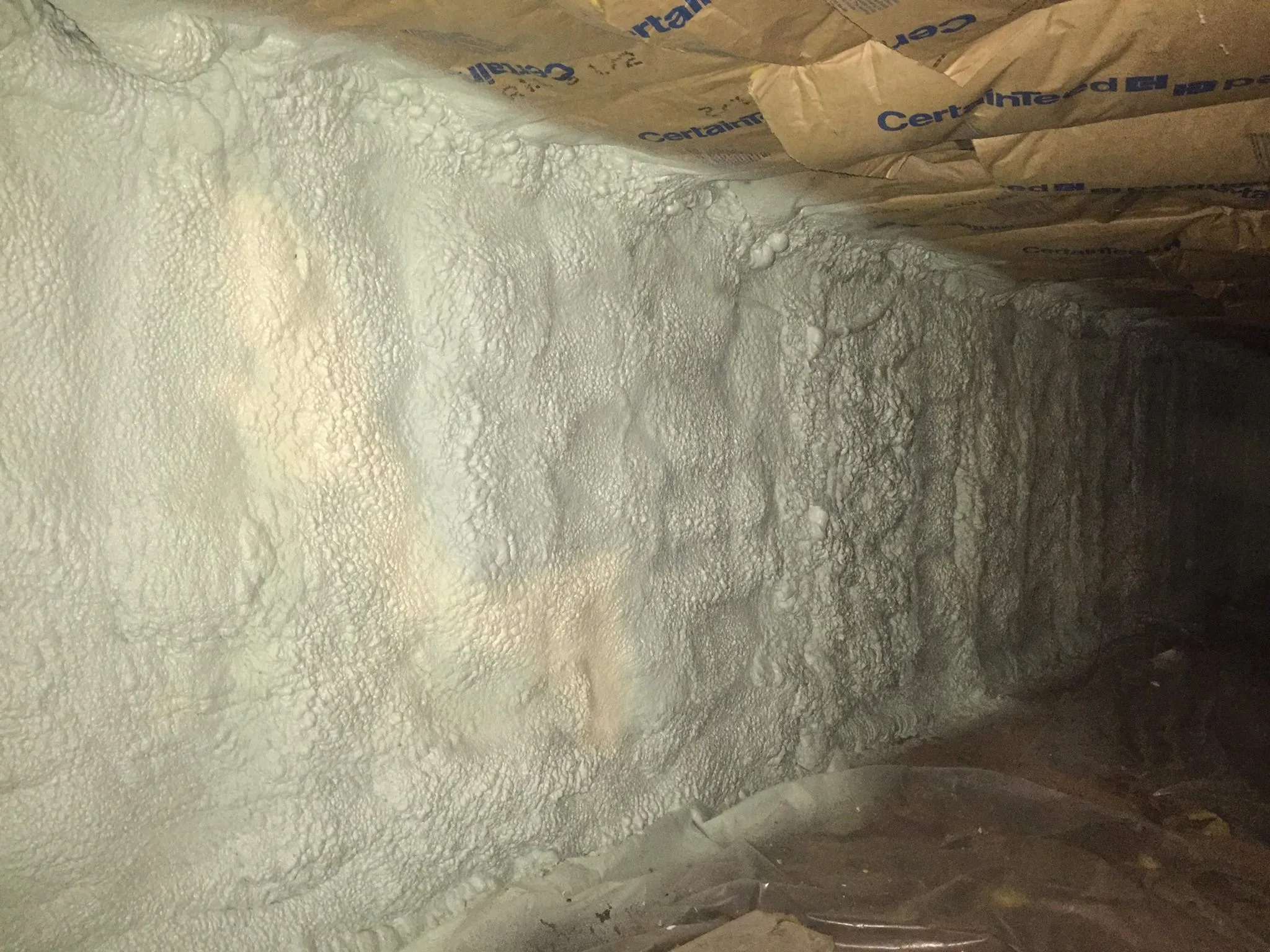
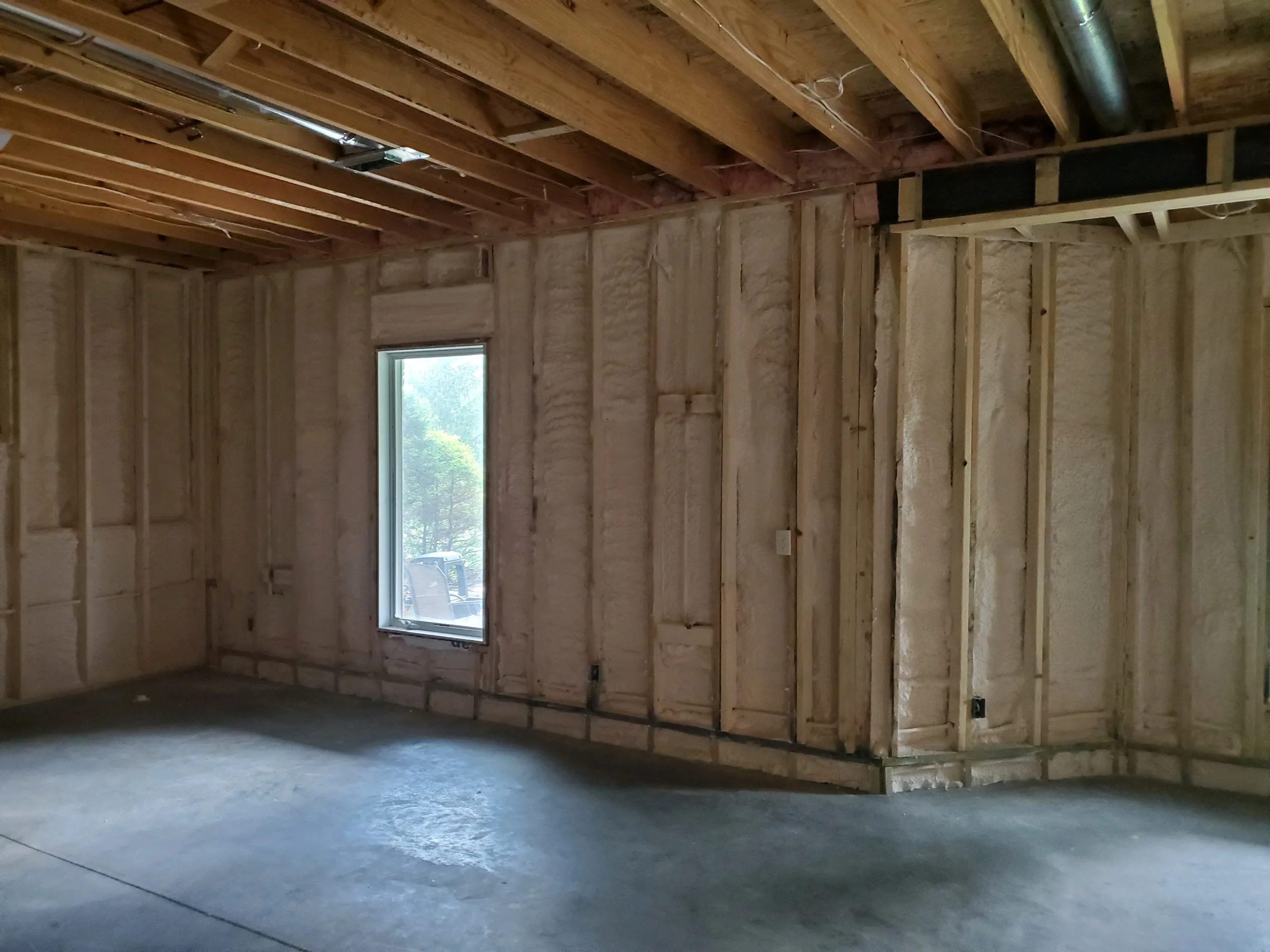
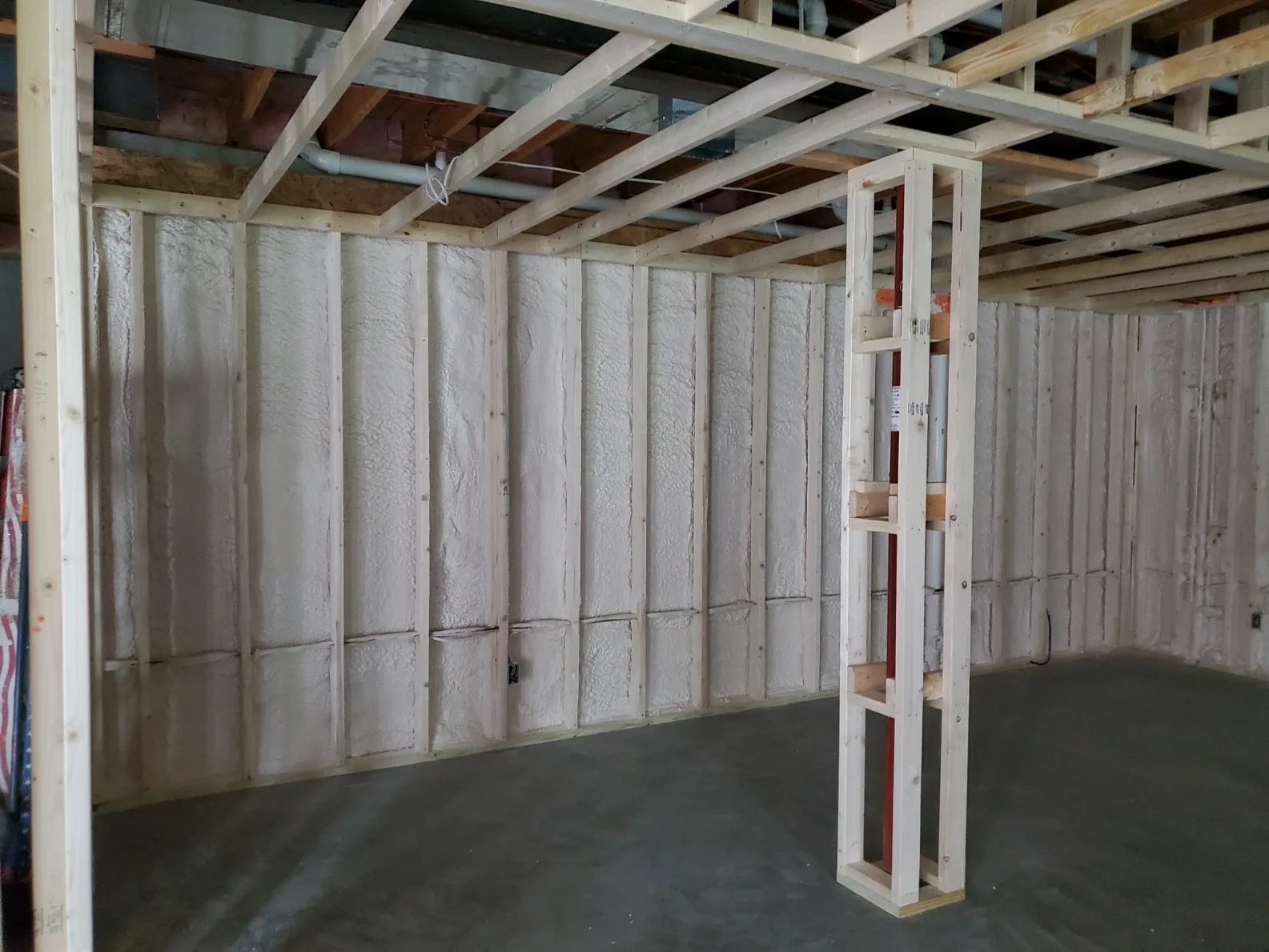
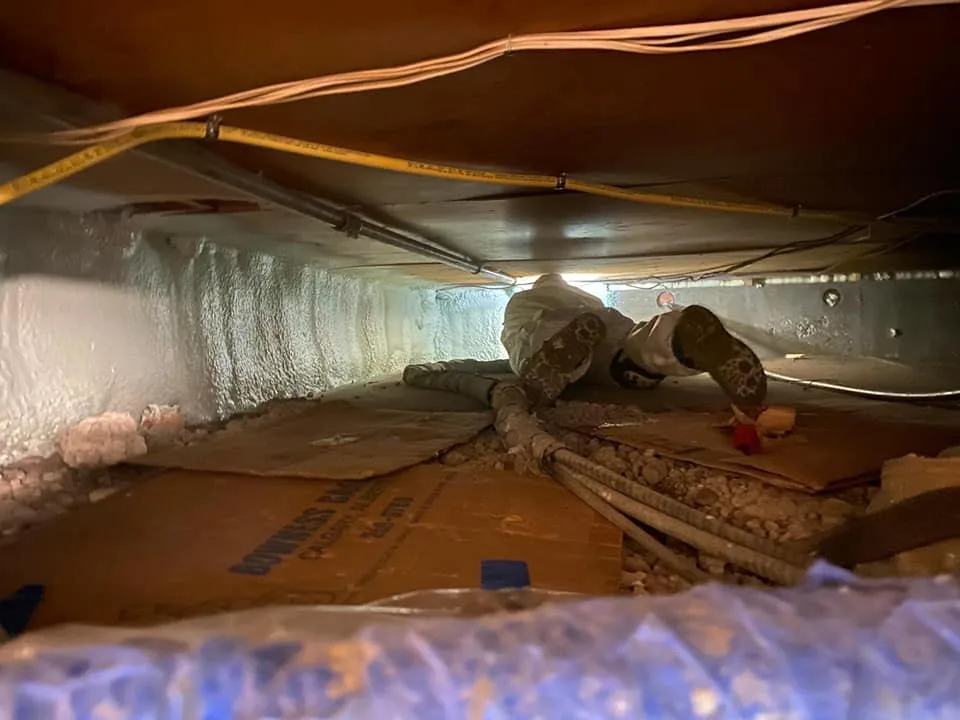
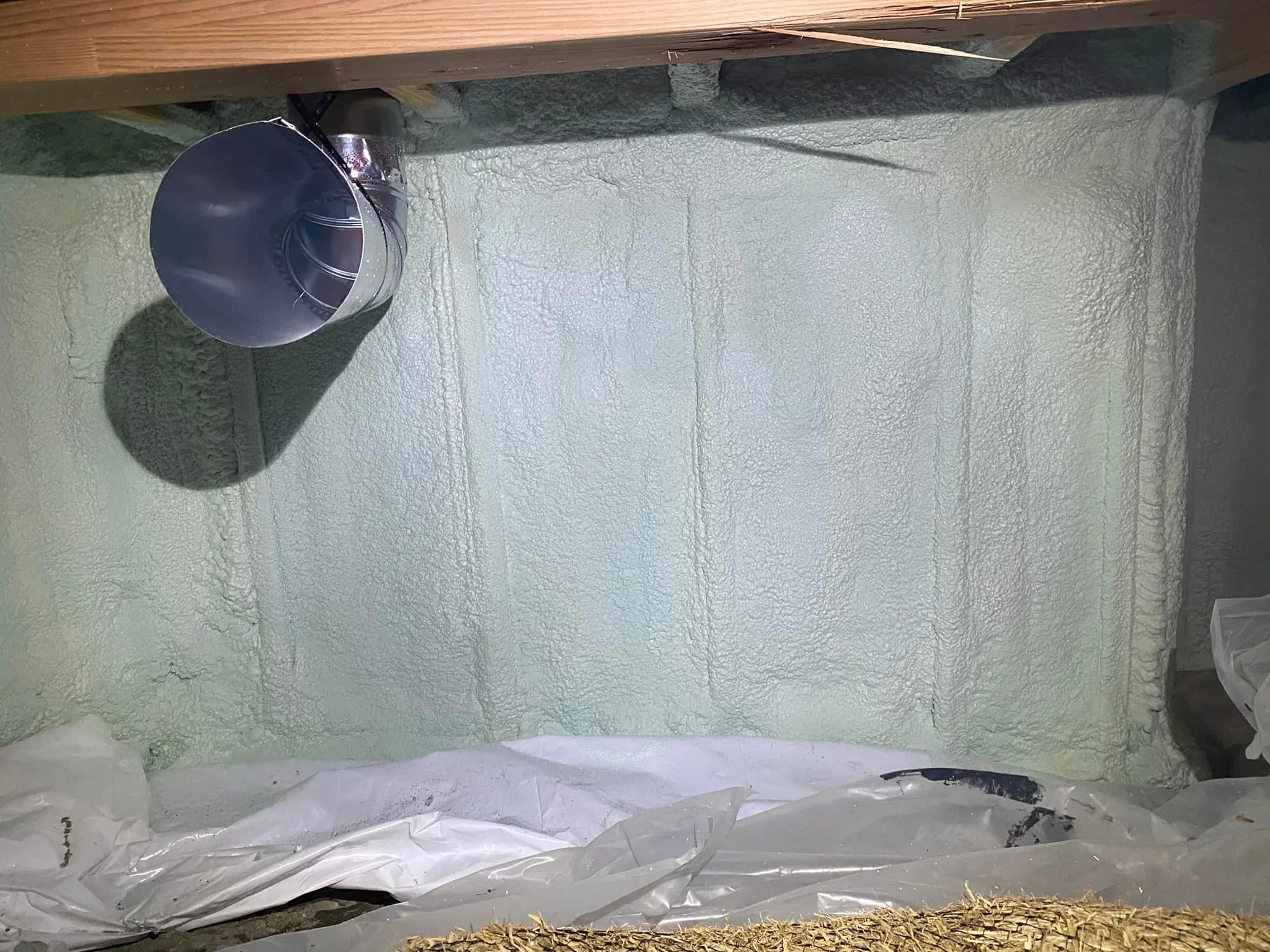
Poured concrete and concrete block walls are poor thermal barriers. They conduct cold from the ground and exterior soil directly into the basement. Closed-cell spray foam applied to the interior of the basement walls creates a continuous thermal layer that prevents that conduction and acts as a vapor retarder.

Basement Ceiling Penetrations

Plumbing, HVAC, and electrical penetrations through the basement ceiling allow conditioned air to move between the basement and the first floor. Spray foam around these penetrations seals those pathways.

Closed-Cell vs Open-Cell for Michigan Basements

Closed-Cell (Standard Recommendation)

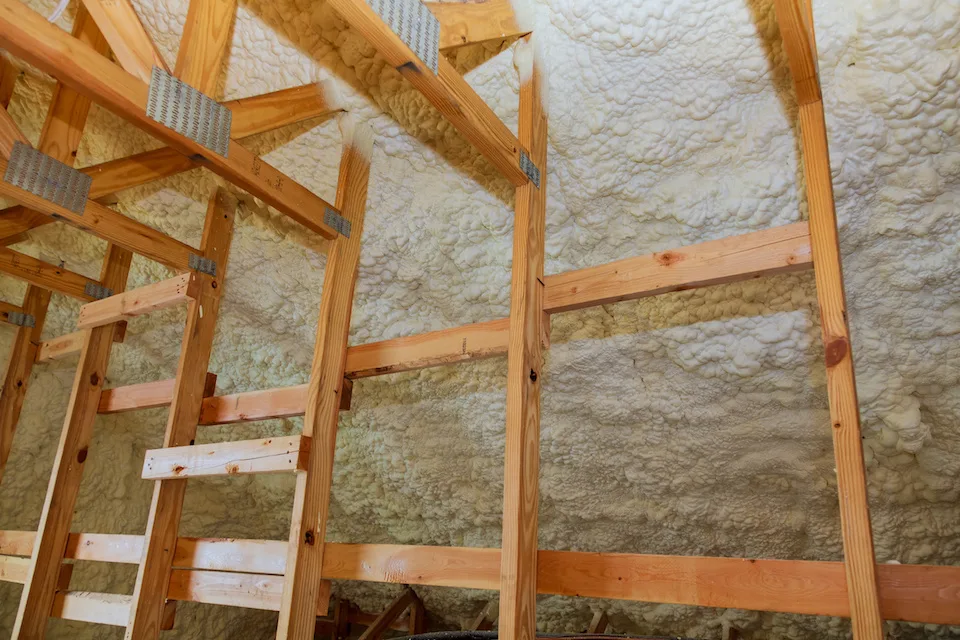
Closed-cell spray foam is the standard for Michigan basement walls and rim joists. It provides R-6 to R-7 per inch, vapor retarder properties critical in Michigan basements with any moisture history, and structural contribution to the wall assembly. For any basement that has experienced moisture, closed-cell is the correct choice.

Open-Cell (Conditioned Basements)

Open-cell foam is appropriate on interior basement walls where vapor control is managed by other means and the basement is fully conditioned. It is not a vapor retarder. In most Michigan basements, closed-cell is the correct default.

Basement Insulation Pricing in Michigan

Spray foam pricing for Michigan basement applications:

A typical rim joist application on a 1,200 sq ft home footprint runs ,200 to ,500 installed. A full basement wall application covering the perimeter to a height of 4 feet runs $1,800 to $4,500 depending on basement size and access.

Most Michigan homeowners recover 20 to 30 percent of that cost in the first heating season.

DTE Energy and Consumers Energy Rebates

DTE Energy and Consumers Energy both offer rebates for qualifying insulation improvements. Basement wall insulation and rim joist air sealing are among the most commonly approved measures. Program details change annually. We document completed work in a format that supports rebate applications.

Get a Free Basement Insulation Estimate

Serving the Detroit metro, Grand Rapids, Lansing, Kalamazoo, Flint, and communities across Michigan. Free on-site estimates, no commitment required. Call directly or fill out the form below.

Basement Wall Material Tradeoffs

  • Detroit and Grand Rapids homes built between 1960 and 1985 are described as often having bare concrete/block basement walls or thin faced fiberglass behind framing.
  • The source contrasts fiberglass as air-permeable and moisture-absorbing in spring basement-wall sweating conditions, while rigid EPS/XPS can work as a middle option when seams and edges are taped carefully.
  • A 2-inch XPS layer is cited at about R-10 for Michigan basement walls, while spray foam is framed as handling thermal, air-leakage, and moisture problems in one pass.
  • The source gives local market ranges of about $1.50-$2.50 per square foot for open-cell and $2.00-$3.75 per square foot for closed-cell in Detroit and Grand Rapids basement-wall work.

Why Fiberglass Fails on Michigan Basement Walls

  • Concrete and cinder block walls across Detroit, Dearborn, Sterling Heights, and Grand Rapids are described as porous surfaces that absorb ground moisture and create condensation risk behind framed/fiberglass assemblies.
  • Closed-cell foam applied directly to concrete removes the air pocket where moisture can pool because it bonds to the wall surface.
  • At two inches, closed-cell is cited at roughly 0.8 perms, below the 1.0-perm Class II vapor-retarder threshold.
  • At three inches on a Michigan basement wall, closed-cell is cited around R-18 to R-21, while fiberglass at comparable thickness can lose effective R-value as it absorbs moisture.
  • Highest-risk conditions named include older block foundations in Detroit, Dearborn, and Hazel Park; homes near Great Lakes watershed soil moisture; and finished basements in Troy, Ann Arbor, or Grand Rapids with fiberglass between studs and concrete.
  • The source recommends sequencing basement finishing as foam on concrete first, then framing, then drywall; it warns against fiberglass between studs and concrete or plastic sheeting as a substitute.

Cities We Serve

Detroit Grand Rapids Ann Arbor Lansing Kalamazoo Flint Sterling Heights Troy Livonia Dearborn Royal Oak Muskegon Holland Midland

Frequently asked questions

How much does spray foam insulation cost in Michigan?

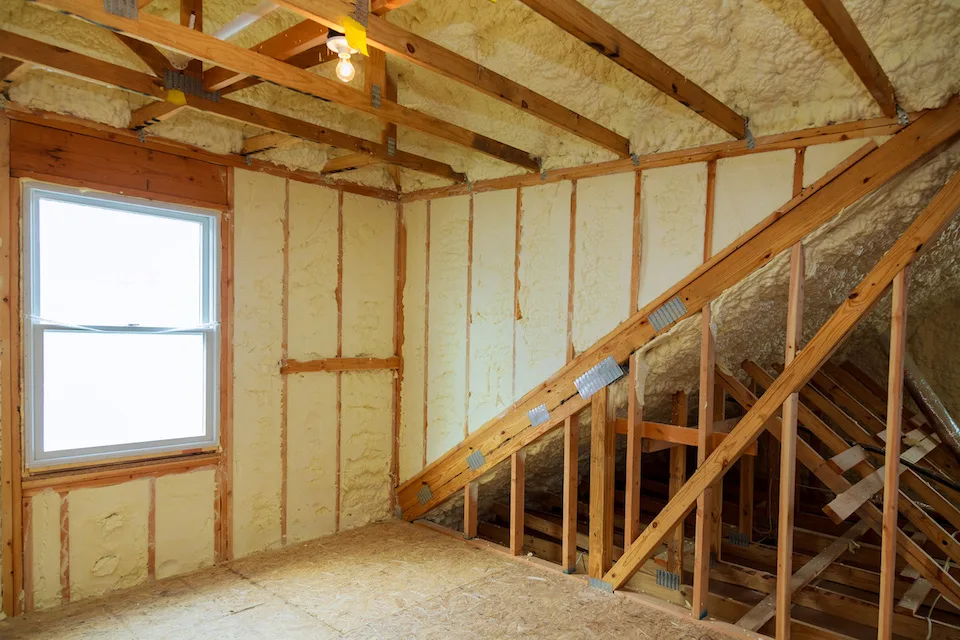
Spray foam insulation in Michigan typically costs $1.00–$1.60 per board foot for open-cell foam and $1.60–$2.60 per board foot for closed-cell foam. A typical attic runs $1,800–$4,500 for a typical 1,200 sq ft attic; rim joist projects average $1,200–$2,500. Final pricing depends on access, required thickness, and any removal of existing insulation.

What is the difference between open-cell and closed-cell spray foam for Michigan homes?

Closed-cell spray foam delivers approximately R-6 to R-7 per inch; open-cell approximately R-3.5 to R-4 per inch. Closed-cell is recommended for Michigan basements, crawl spaces, and rim joists because it provides a Class II vapor retarder — critical in cold, humid winters. Open-cell is preferred for many attic applications and costs less per board foot. Our service area sits in IECC Climate Zone 5A; northern Lower Michigan and the Upper Peninsula are Zones 6A and 7. Code requires R-49 minimum attic insulation under Michigan's residential energy code (IECC Zone 5A).

How long does spray foam insulation last in a Michigan home?

Spray foam is a permanent insulation with an expected lifespan of 80+ years without sagging or compressing when properly installed. Unlike fiberglass batts, it does not compress, sag, or absorb moisture. In Michigan's freeze-thaw climate, closed-cell foam also adds rigidity to walls and rim joists and prevents the moisture infiltration that shortens the life of other insulation types.

How much can spray foam insulation reduce energy bills in Michigan?

Homeowners typically see 20–40% lower heating and cooling costs after air sealing and insulation, depending on the home's starting condition. Most of Lower Michigan logs roughly 6,200 to 6,900 heating degree days per year. Spray foam's dual function as insulation and air barrier eliminates the convective heat loss that fiberglass batts alone cannot address.

Are rebates or tax credits available for spray foam insulation in Michigan?

DTE Energy and Consumers Energy offer rebates for qualifying insulation and air-sealing upgrades through their Home Energy Efficiency programs. Amounts vary by measure and change annually — confirm current amounts at dte.com or consumersenergy.com before your estimate. The federal 25C Energy Efficient Home Improvement Credit ended December 31, 2025. No federal tax credit currently applies to insulation work; utility rebates remain available.

Get a Free Spray Foam Estimate

Tell us about your project and our crew will get back to you with a written quote within one business day.

Call us directly: (517) 234-2744

Request a Free Estimate

Call Now Free Estimate