Washtenaw County specialists. U of M-area homes, Ypsilanti ranches, and newer Saline builds. Same-week estimates.
Ypsilanti sits adjacent to Ann Arbor in Washtenaw County, and the housing stock near Depot Town, the EMU campus, and the city’s historic neighborhoods carries the same air infiltration problems common across Washtenaw County’s older homes. The craftsmans and colonials built in the early and mid-twentieth century have rim joists that were never sealed, attic bypasses that have never been addressed, and basement walls that transfer cold directly into the living space. Spray foam delivers the same results here as anywhere else in the county.
The homes near Ypsilanti’s historic core — particularly in the Depot Town and Normal Park neighborhoods — date from 1900 through 1940. These homes were built before any insulation or air sealing requirements existed. The newer neighborhoods farther from downtown are from the 1950s through 1970s and share the same absent air barrier problem. All of it sits in Zone 5A, where the temperature differential between inside and outside pushes cold air through every unsealed gap from November through March.
Consumers Energy serves most of Ypsilanti. Winter heating bills in the older housing stock here consistently run above the county average. Air sealing at the rim joist and attic is the most cost-effective way to reduce that gap.
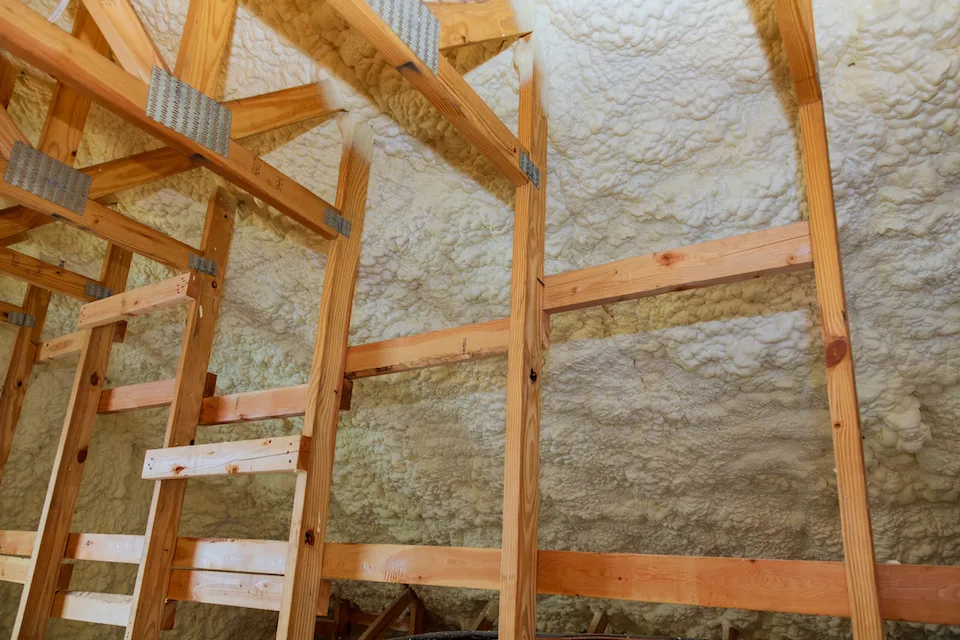
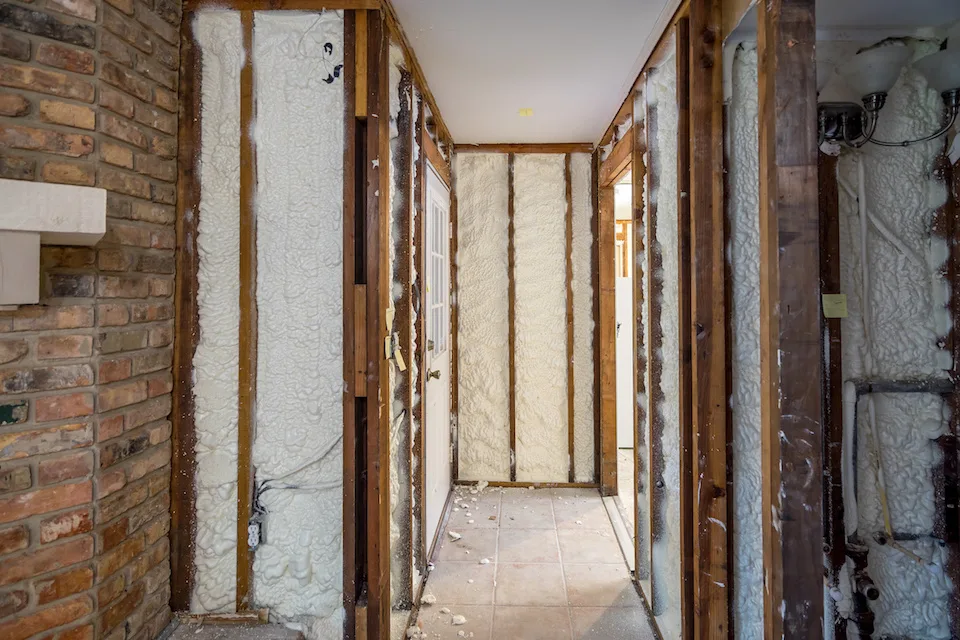
The rim joist in a 1930s Ypsilanti colonial is typically exposed or covered with original fiberglass that provides minimal air resistance. Closed-cell spray foam applied to the rim joist and lower foundation wall creates an air seal and vapor barrier in one pass. Basements that previously ran cold all winter hold heat noticeably better in the first season after treatment.
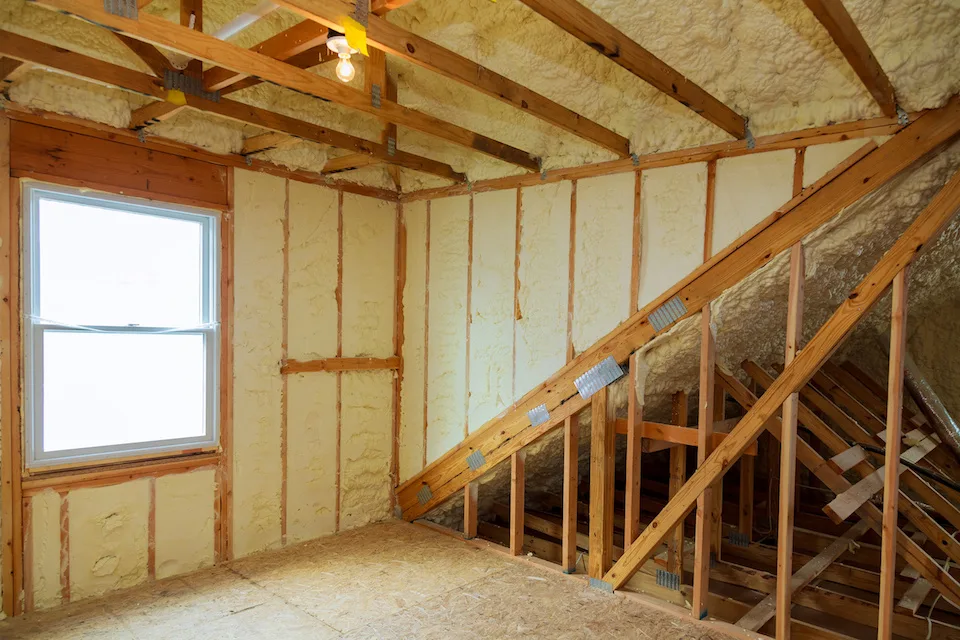
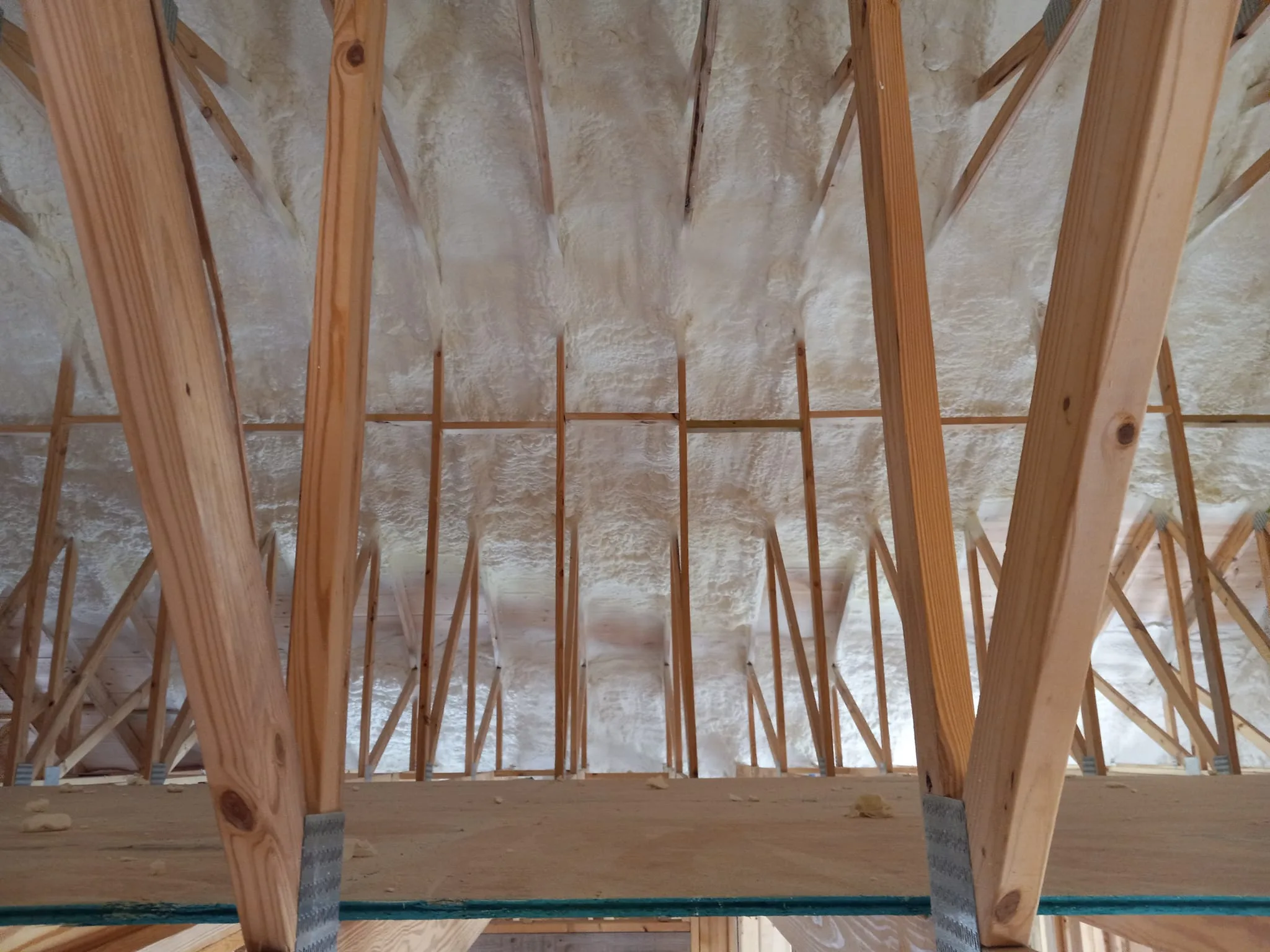
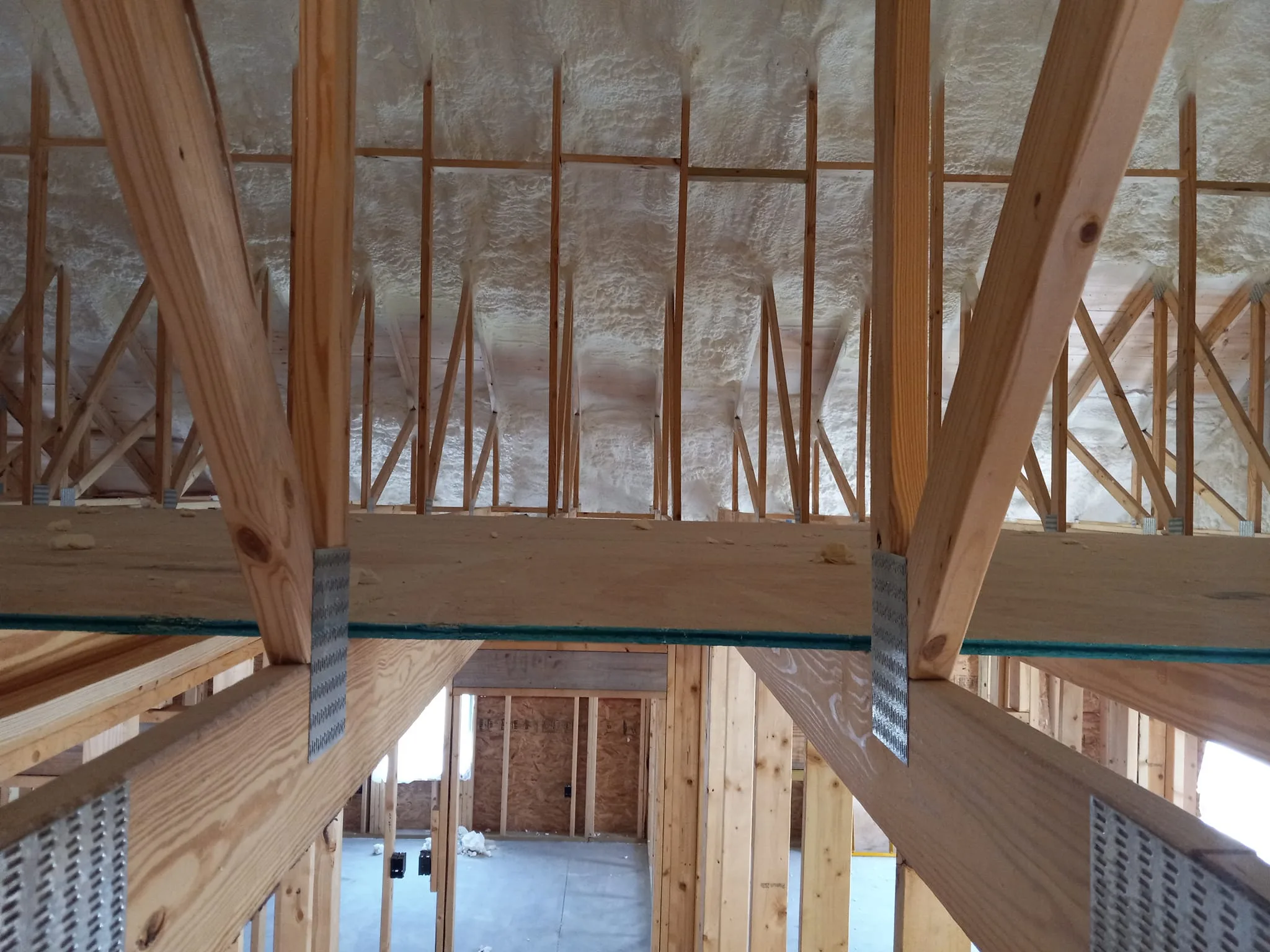
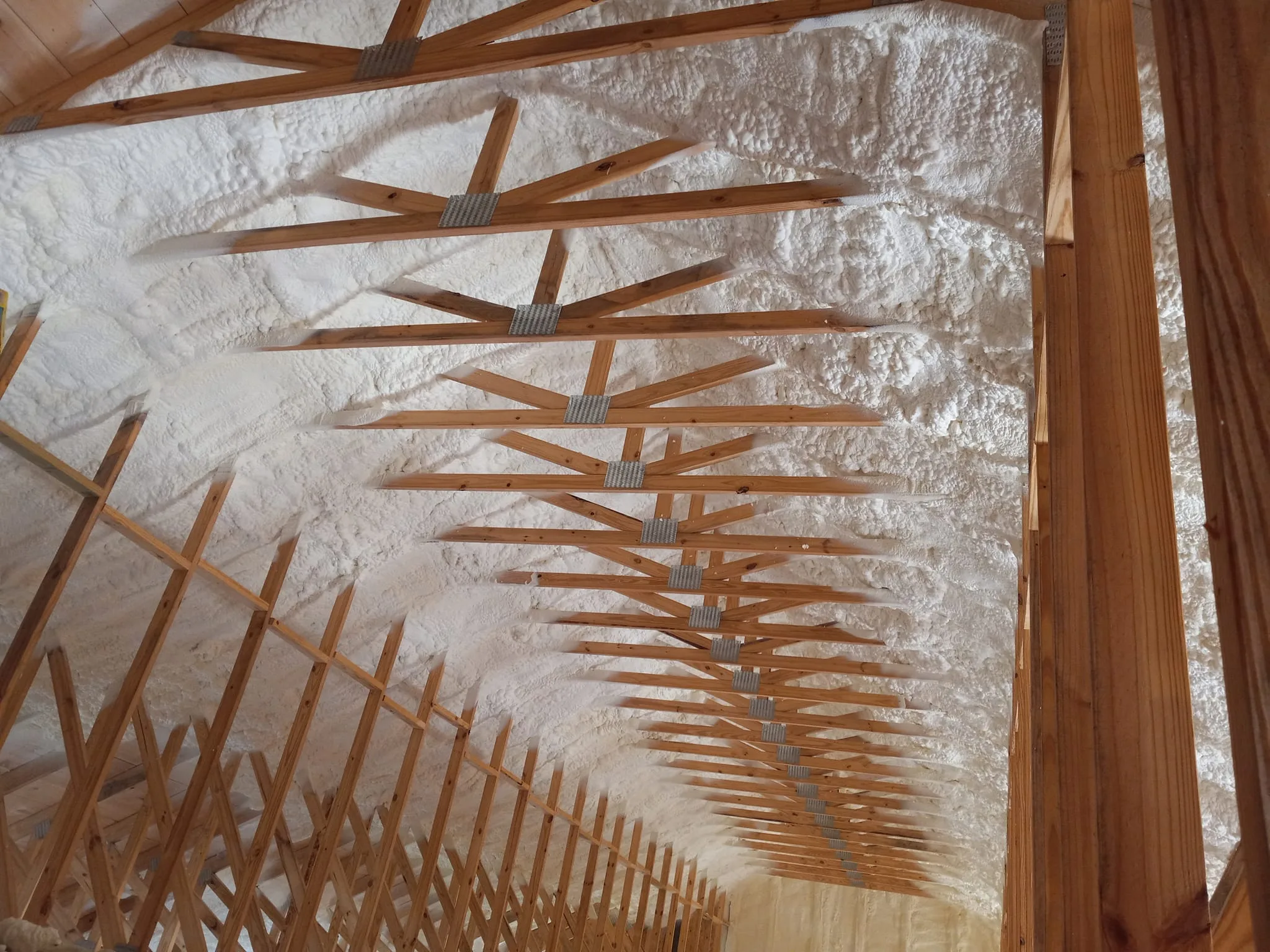
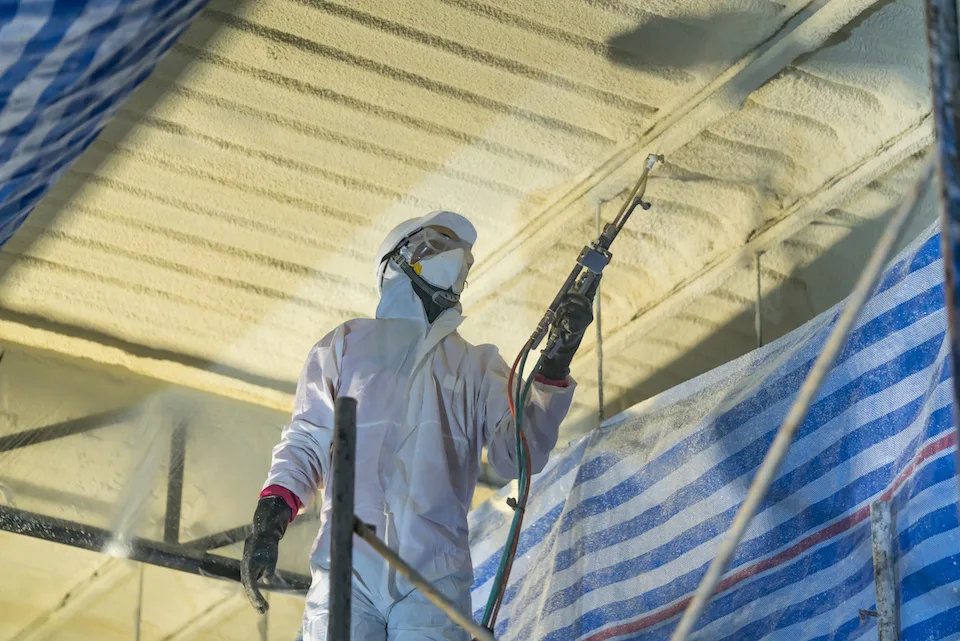
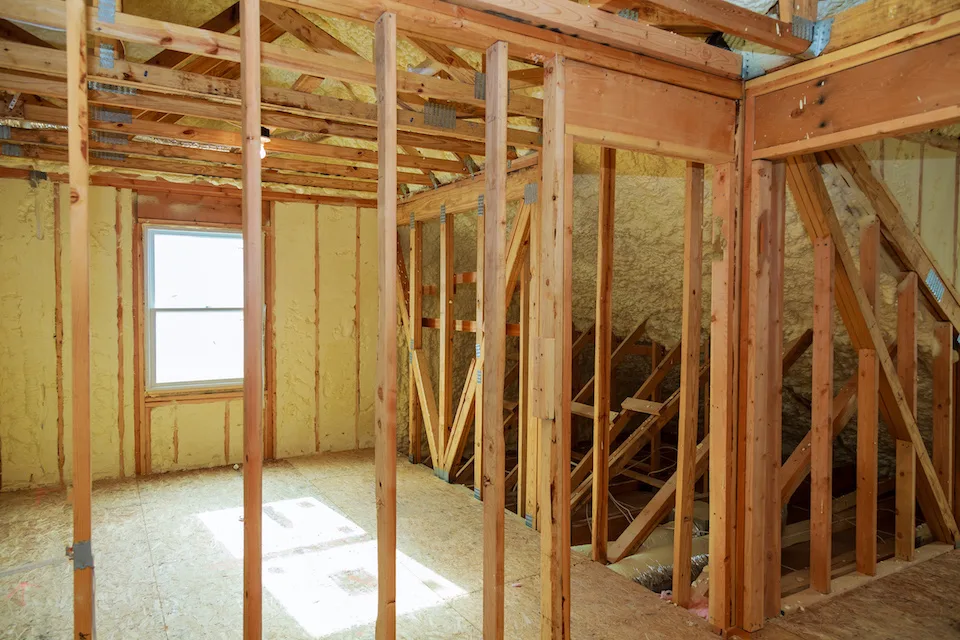
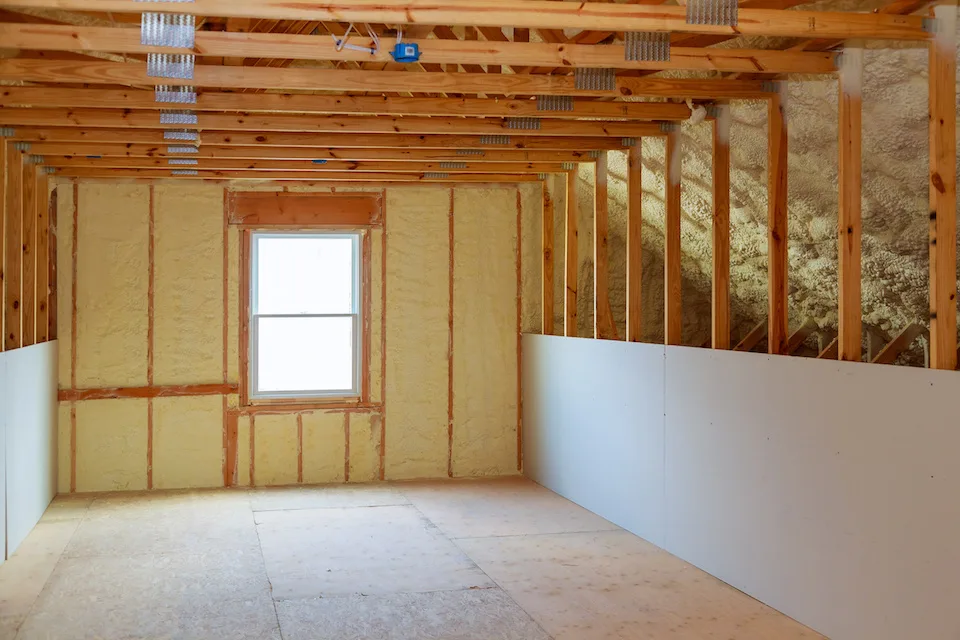
Older Ypsilanti homes have attics with knee walls, dormers, and bypasses around plumbing and interior partitions that allow conditioned air to escape directly. Open-cell spray foam at the underside of the roof deck seals all those paths and converts the attic to conditioned space. Homes with HVAC ducts in the attic see the greatest improvement.
Several neighborhoods in Ypsilanti, particularly near the older housing stock on the east side of the city, have homes with partial basements or full crawl spaces. Closed-cell spray foam at the crawl space walls and floor perimeter creates a dry, stable environment that reduces heating costs and prevents moisture-related damage to the floor structure above.
Spray foam pricing in Ypsilanti and Washtenaw County:
A rim joist job on a 1,100 sq ft footprint runs ,200 to ,500 installed. A full attic conversion runs $1,600 to $3,200 depending on access and existing insulation. Most Ypsilanti homeowners recover 20 to 30 percent of that cost in the first heating season.
We are fully insured, and serve Ypsilanti and greater Washtenaw County.
If your Consumers Energy bill runs high and your home was built before 1985, air sealing gaps are the most likely cause. We provide free estimates with no obligation.
Fill out the estimate form below for a response within one business day.




Customer Reviews
Spray foam insulation in Michigan typically costs $1.00–$1.60 per board foot for open-cell foam and $1.60–$2.60 per board foot for closed-cell foam. A typical attic runs $1,800–$4,500 for a typical 1,200 sq ft attic; rim joist projects average $1,200–$2,500. Final pricing depends on access, required thickness, and any removal of existing insulation.
Closed-cell spray foam delivers approximately R-6 to R-7 per inch; open-cell approximately R-3.5 to R-4 per inch. Closed-cell is recommended for Michigan basements, crawl spaces, and rim joists because it provides a Class II vapor retarder — critical in cold, humid winters. Open-cell is preferred for many attic applications and costs less per board foot. Our service area sits in IECC Climate Zone 5A; northern Lower Michigan and the Upper Peninsula are Zones 6A and 7. Code requires R-49 minimum attic insulation under Michigan's residential energy code (IECC Zone 5A).
Spray foam is a permanent insulation with an expected lifespan of 80+ years without sagging or compressing when properly installed. Unlike fiberglass batts, it does not compress, sag, or absorb moisture. In Michigan's freeze-thaw climate, closed-cell foam also adds rigidity to walls and rim joists and prevents the moisture infiltration that shortens the life of other insulation types.
Homeowners typically see 20–40% lower heating and cooling costs after air sealing and insulation, depending on the home's starting condition. Most of Lower Michigan logs roughly 6,200 to 6,900 heating degree days per year. Spray foam's dual function as insulation and air barrier eliminates the convective heat loss that fiberglass batts alone cannot address.
DTE Energy and Consumers Energy offer rebates for qualifying insulation and air-sealing upgrades through their Home Energy Efficiency programs. Amounts vary by measure and change annually — confirm current amounts at dte.com or consumersenergy.com before your estimate. The federal 25C Energy Efficient Home Improvement Credit ended December 31, 2025. No federal tax credit currently applies to insulation work; utility rebates remain available.
Tell us about your project and our crew will get back to you with a written quote within one business day.
Call us directly: (734) 234-8082