North-central Michigan specialists. Midland County winters bring deep freezes and heavy snow. Proper air sealing for mid-Michigan homes — same-week estimates.
Flint’s housing was built between the 1920s and 1950s at the pace of the automotive industry’s expansion. Speed and volume were the priority; energy efficiency was not yet a concept. The craftsmans, bungalows, and colonials that fill neighborhoods like Carriage Town, College and Cultural, and the near-north side have rim joists that were never insulated, attic bypasses that have never been sealed, and basement walls that transfer Michigan cold directly into the living space. Spray foam corrects the air infiltration that defines heating cost in these homes.
Genesee County sits in Michigan’s Zone 5A climate. January average lows run below 15 degrees F. The homes built in Flint during the automotive boom have 3.5-inch stud bays where fiberglass has slumped, settled, or was never installed. Air infiltration through the building envelope accounts for 30 to 40 percent of heating load in most pre-1960 Flint homes. Consumers Energy serves the area, and heating costs in the older housing stock here run substantially above state averages.
The opportunity with Flint homes specifically: the basement and attic access is straightforward in most of the housing stock, which keeps installation cost down. A rim joist job in a Flint bungalow is one of the highest-return insulation investments in Michigan.
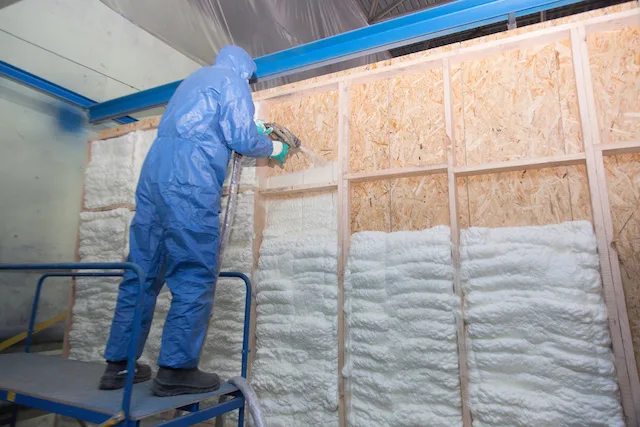
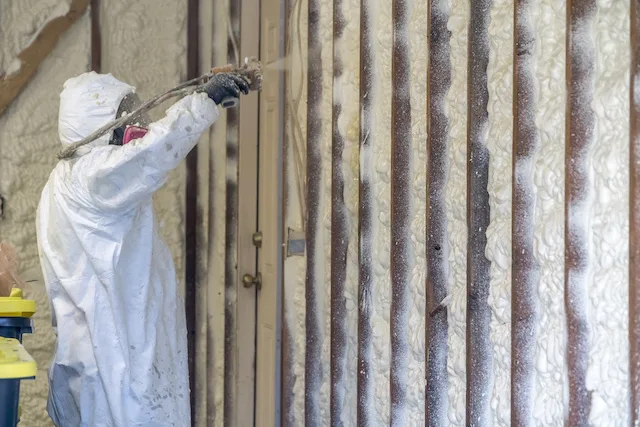
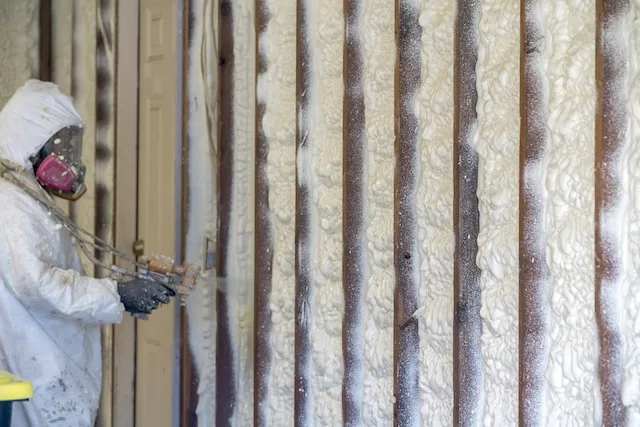
The rim joist in a 1940s Flint home is typically exposed block or wood framing with either no insulation or original fiberglass that provides no meaningful air resistance. Closed-cell spray foam applied directly to the rim joist and lower foundation wall creates an air seal and vapor barrier in one application. Basements that ran cold all winter hold heat in the first season after treatment.
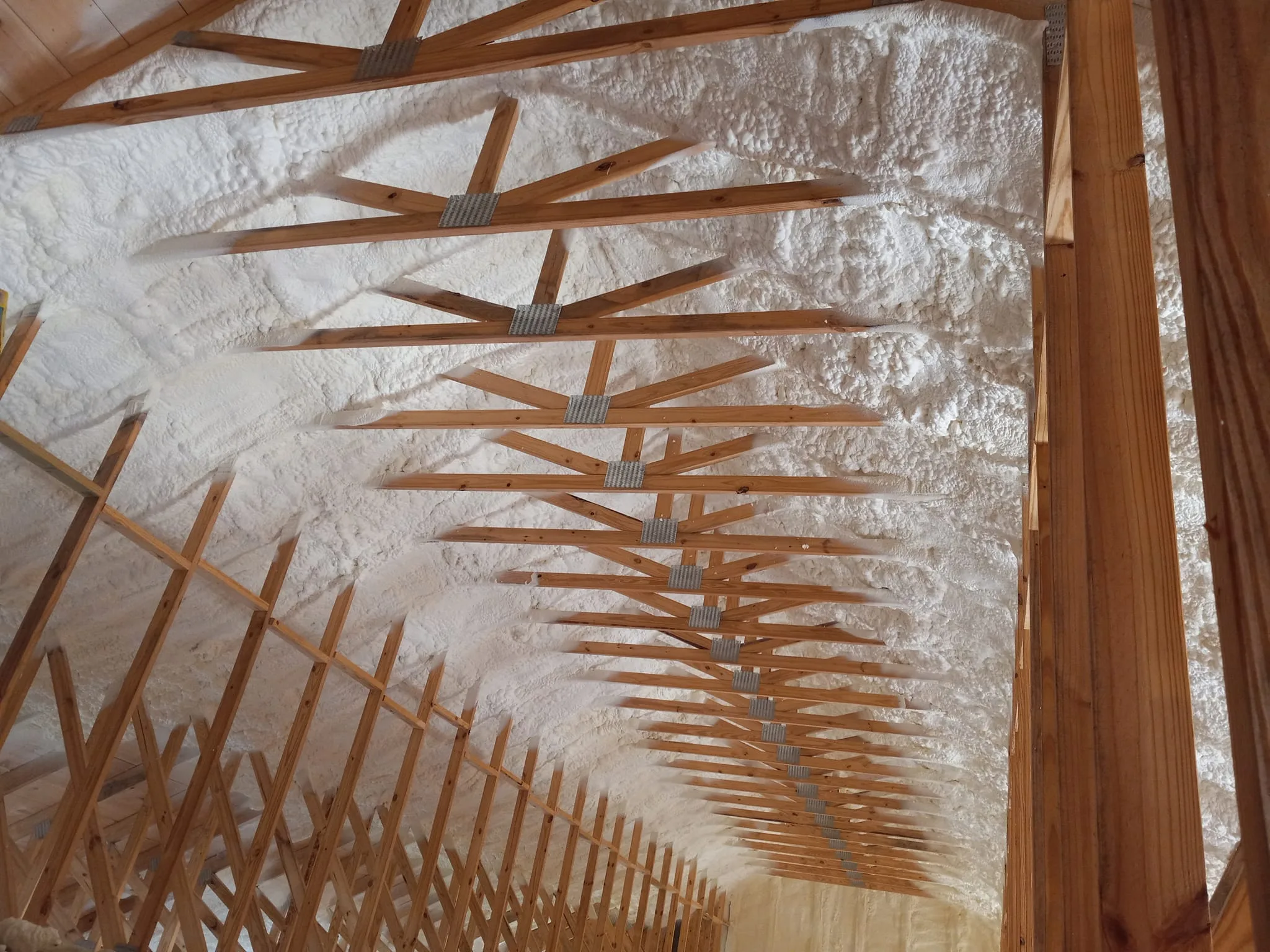
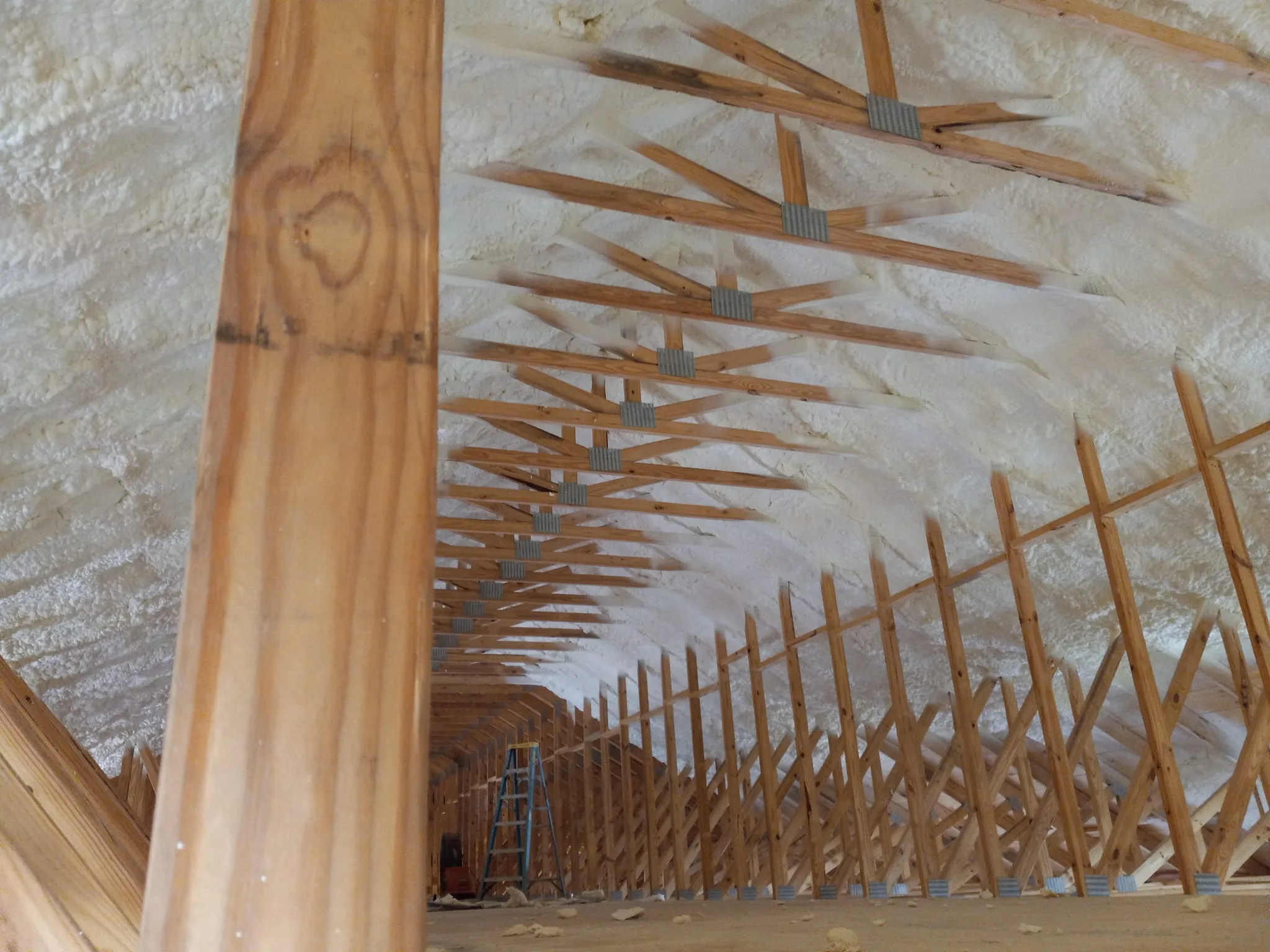
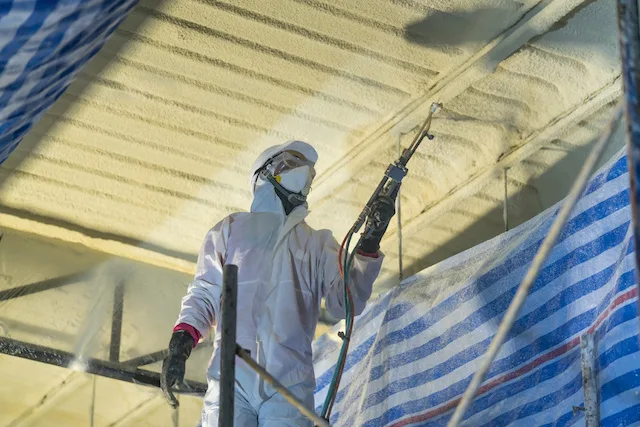
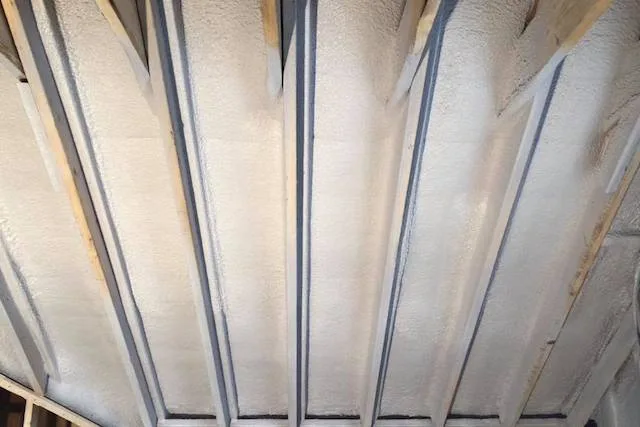
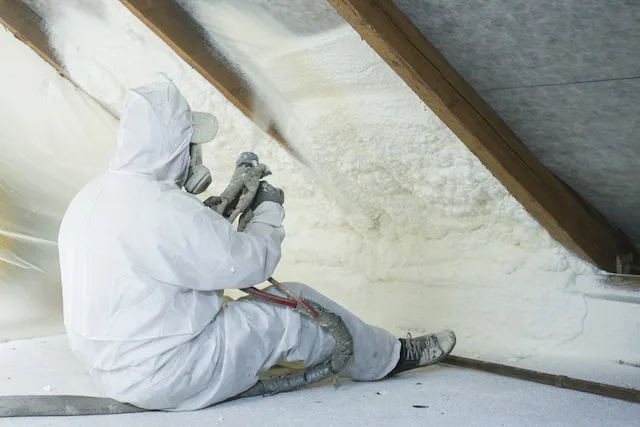
The older bungalows and craftsmans in Flint’s historic neighborhoods have attic bypasses around plumbing stacks, ceiling fixtures, and interior partition walls that allow conditioned air to escape directly into the attic. Open-cell spray foam at the underside of the roof deck seals all of those paths simultaneously. Homes with HVAC ducts in the attic benefit most: those ducts lose 20 to 30 percent of their output in an unconditioned attic.
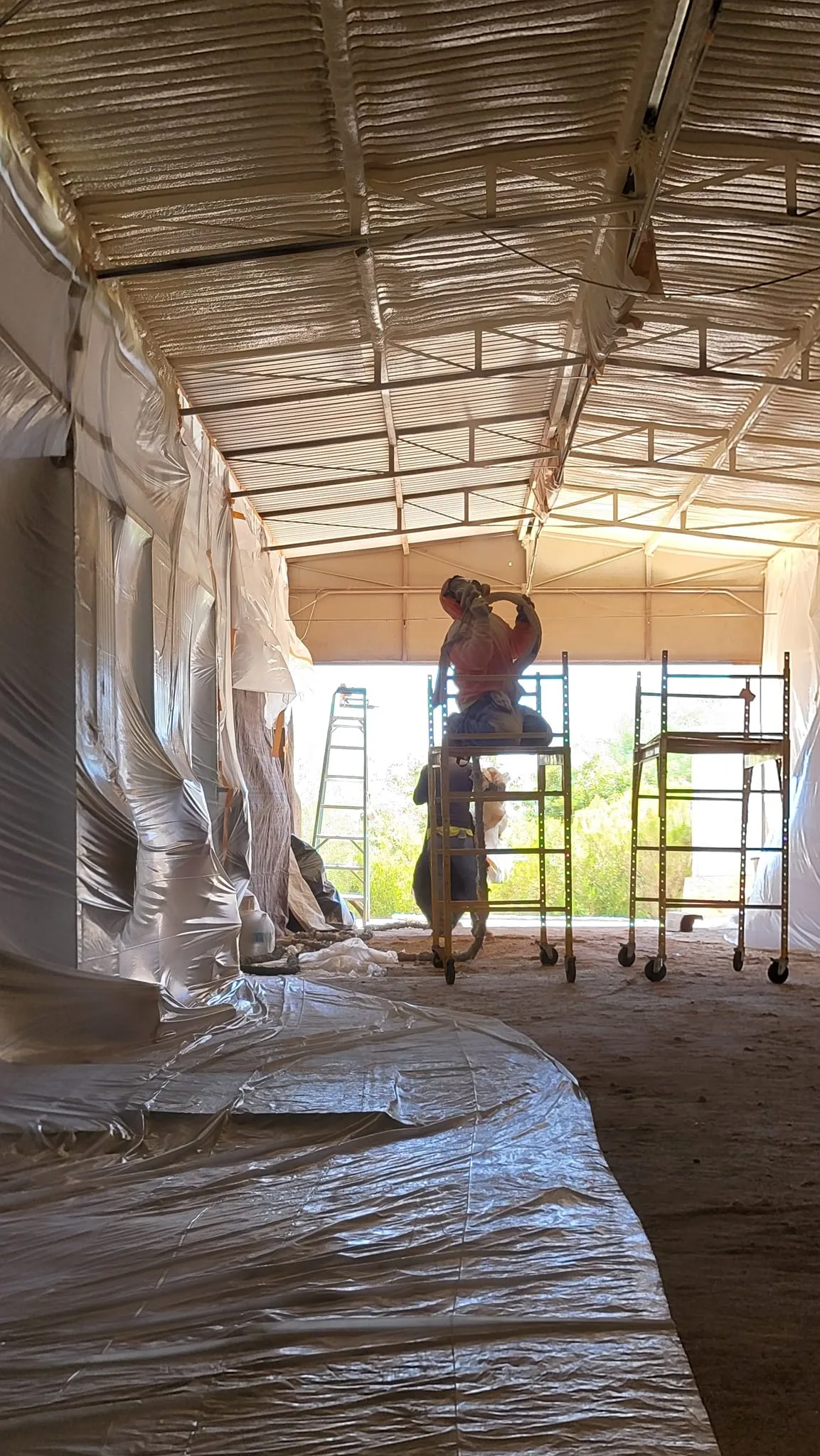
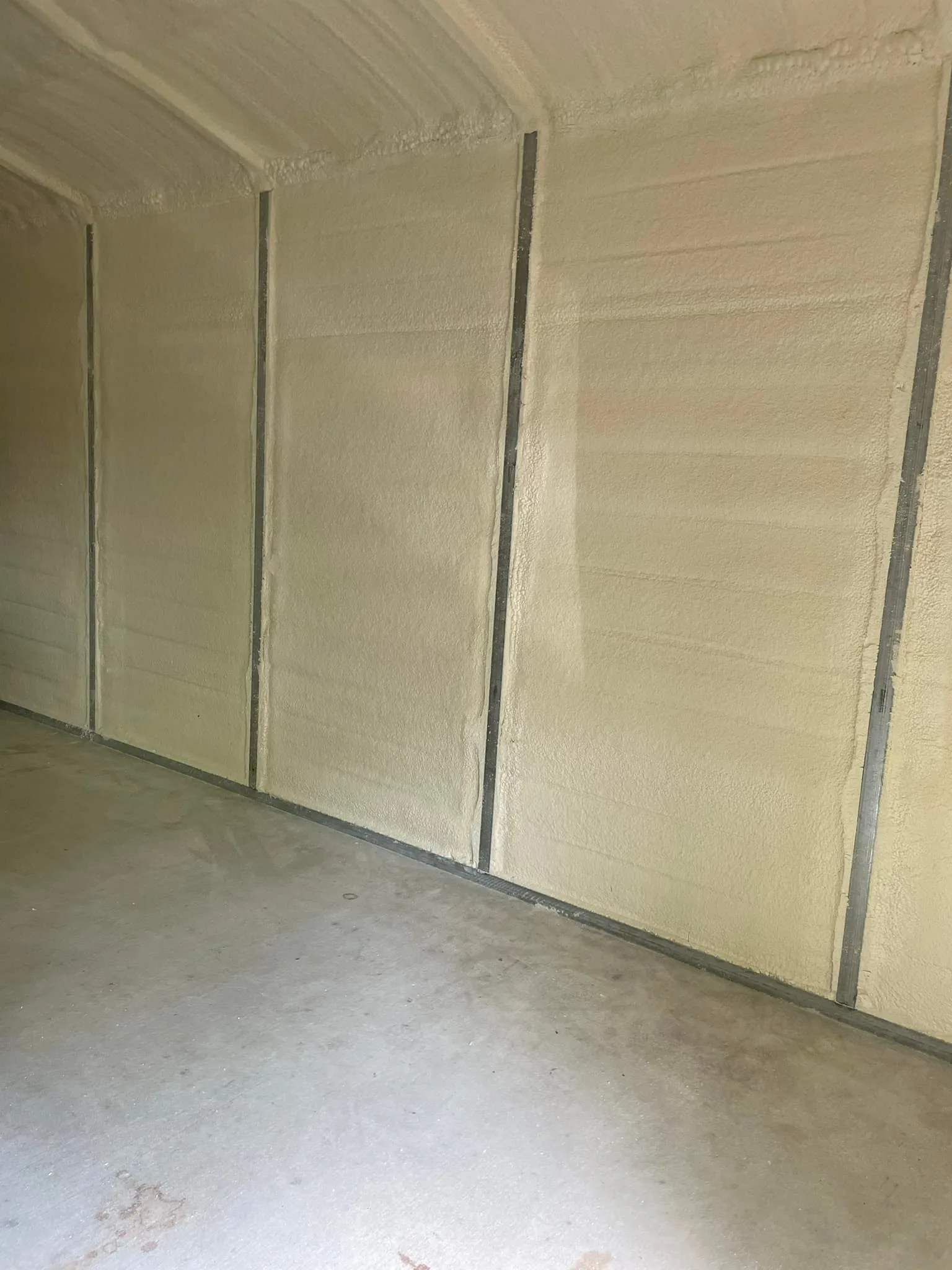
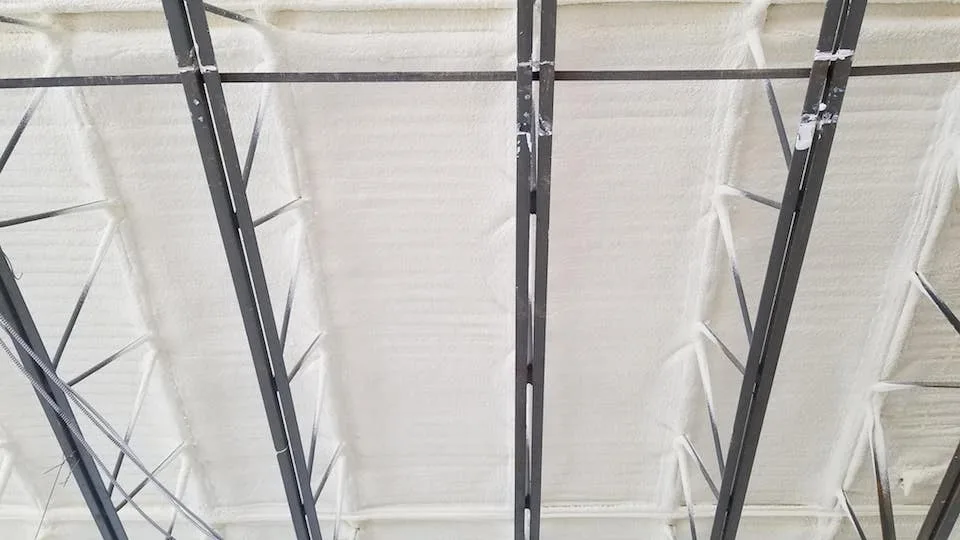
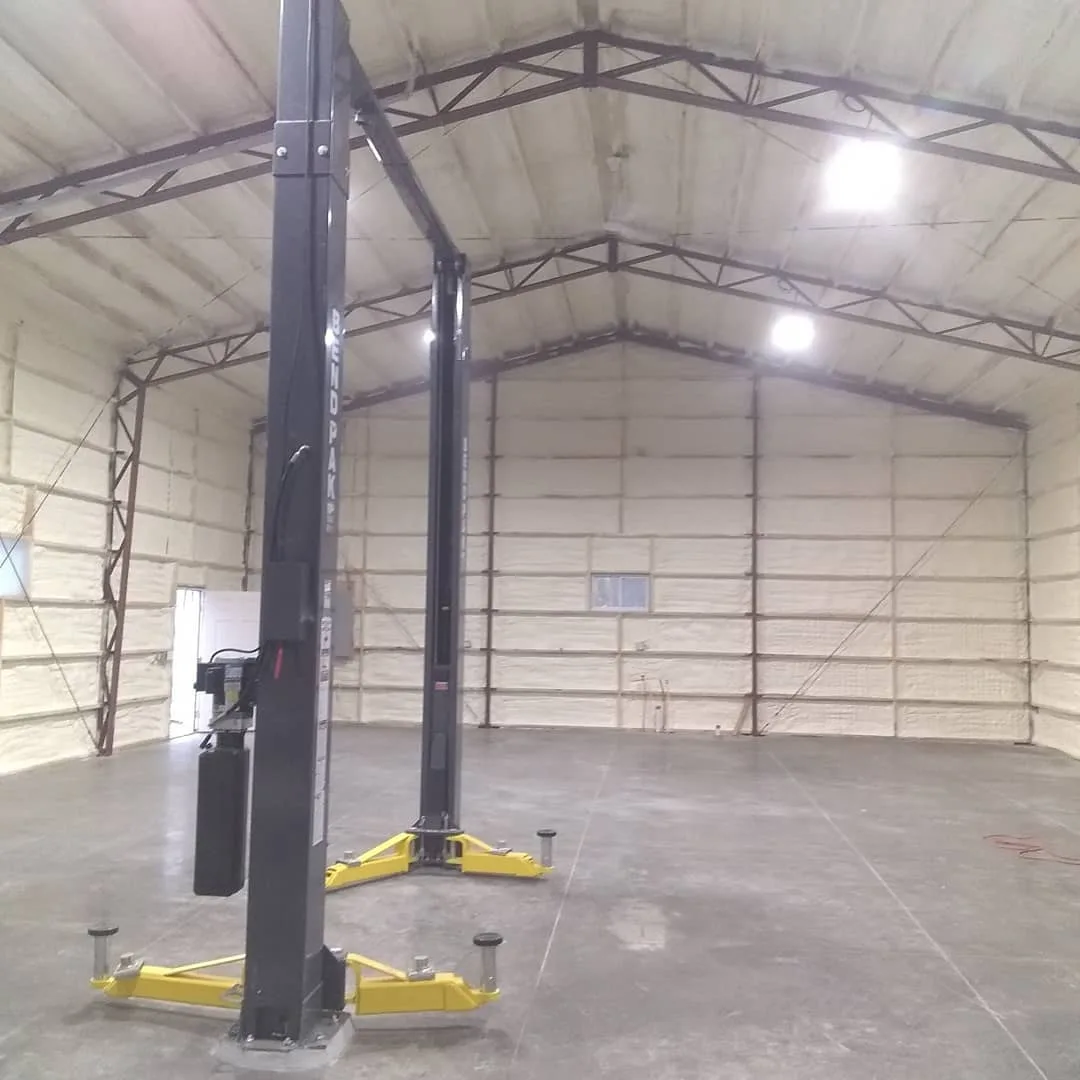
Genesee County has a significant number of residential pole barns on properties at the city edges and throughout the county. Closed-cell spray foam applied to pole barn interiors provides thermal resistance, vapor control, and structural rigidity in a single application.
Spray foam pricing in Flint and Genesee County:
A rim joist job on a 1,000 sq ft bungalow footprint runs $550 to $1,000 installed. A full attic conversion runs $1,500 to $3,000 depending on access. Most Flint homeowners recover 20 to 30 percent of that cost in the first heating season.
We are fully insured, and serve Flint and greater Genesee County.
If your Consumers Energy bill exceeds $200 in January and your home was built before 1965, rim joist air sealing is the most likely fix. We provide free estimates with no obligation.
Fill out the estimate form below for a response within one business day.






Customer Reviews
Spray foam insulation in Michigan typically costs $1.00–$1.60 per board foot for open-cell foam and $1.60–$2.60 per board foot for closed-cell foam. A typical attic runs $1,800–$4,500 for a typical 1,200 sq ft attic; rim joist projects average $1,200–$2,500. Final pricing depends on access, required thickness, and any removal of existing insulation.
Closed-cell spray foam delivers approximately R-6 to R-7 per inch; open-cell approximately R-3.5 to R-4 per inch. Closed-cell is recommended for Michigan basements, crawl spaces, and rim joists because it provides a Class II vapor retarder — critical in cold, humid winters. Open-cell is preferred for many attic applications and costs less per board foot. Our service area sits in IECC Climate Zone 5A; northern Lower Michigan and the Upper Peninsula are Zones 6A and 7. Code requires R-49 minimum attic insulation under Michigan's residential energy code (IECC Zone 5A).
Spray foam is a permanent insulation with an expected lifespan of 80+ years without sagging or compressing when properly installed. Unlike fiberglass batts, it does not compress, sag, or absorb moisture. In Michigan's freeze-thaw climate, closed-cell foam also adds rigidity to walls and rim joists and prevents the moisture infiltration that shortens the life of other insulation types.
Homeowners typically see 20–40% lower heating and cooling costs after air sealing and insulation, depending on the home's starting condition. Most of Lower Michigan logs roughly 6,200 to 6,900 heating degree days per year. Spray foam's dual function as insulation and air barrier eliminates the convective heat loss that fiberglass batts alone cannot address.
DTE Energy and Consumers Energy offer rebates for qualifying insulation and air-sealing upgrades through their Home Energy Efficiency programs. Amounts vary by measure and change annually — confirm current amounts at dte.com or consumersenergy.com before your estimate. The federal 25C Energy Efficient Home Improvement Credit ended December 31, 2025. No federal tax credit currently applies to insulation work; utility rebates remain available.
Tell us about your project and our crew will get back to you with a written quote within one business day.
Call us directly: (989) 312-9547