Michigan Spray Foam Insulation

Insulation Removal in Michigan

Certified Michigan contractors. Serving Detroit, Grand Rapids, and communities statewide. Same-week estimates, no obligation.
(517) 234-2744 Fully Insured Same-Week Estimates Statewide Coverage

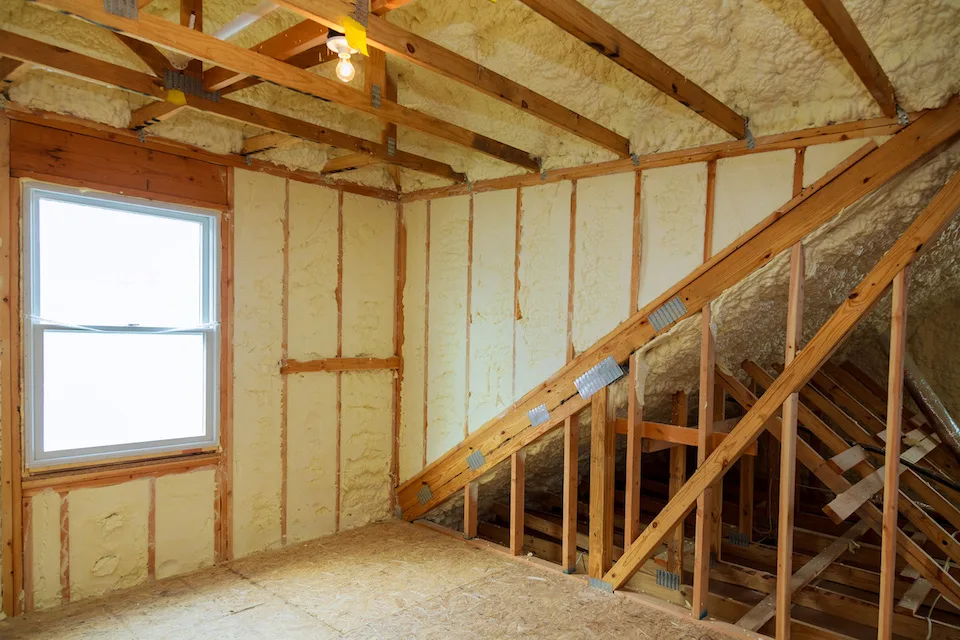
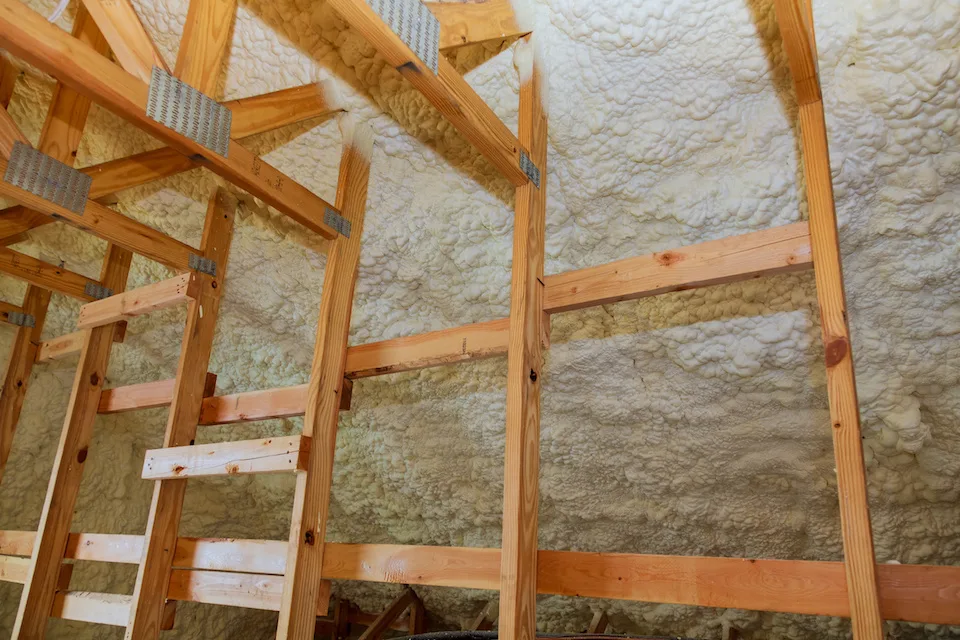
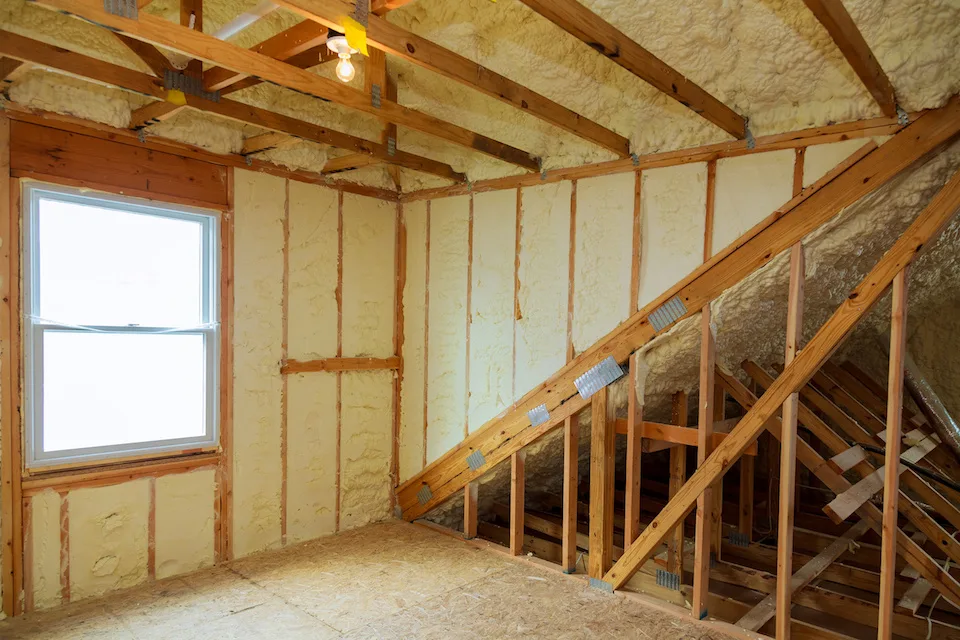
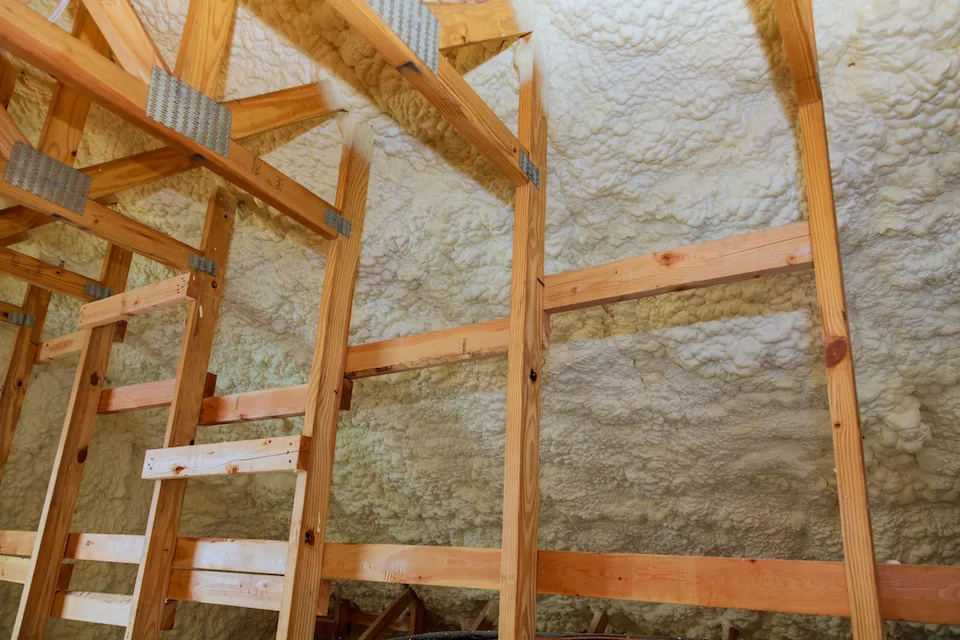
There are situations where old insulation in your home needs to be removed before new insulation can be installed. This is especially true in older homes or in areas where conditions like rodent contamination, moisture, mold, or fire damage have compromised the existing insulation. At Michigan Spray Foam Insulation, we understand the importance of a clean, dry, and safe foundation for any insulation upgrade. We remove old insulation as needed, using a careful, professional process that ensures your home is ready for high-performance spray foam.

When Old Insulation Must Come Out

There are several clear situations where old insulation must be removed before new insulation can be installed. One of the most common is rodent contamination. Homes built in the 1950s–1970s in Michigan—often ranches or colonials with balloon framing—are particularly vulnerable to rodent infestations. These homes have long, continuous stud cavities that provide easy travel paths for critters. If insulation is found to contain rodent droppings, nesting, or urine, it cannot remain. Not only is it unsanitary, but it also poses a health risk and can compromise the effectiveness of new insulation.

Another common reason for insulation removal is moisture and mold. In Michigan, especially near the Great Lakes, lake-effect moisture can lead to long-term condensation issues in attics, crawl spaces, and wall cavities. If your insulation is wet or shows signs of mold, it must be removed. Moldy insulation is not only a health hazard but also a sign of deeper moisture problems that must be addressed before new insulation is installed.

Fire damage is another reason for removal. In homes that have experienced a fire or smoke event, insulation can absorb smoke and soot, making it unsafe and difficult to clean. In such cases, we recommend a complete removal and replacement.

Lastly, clearing out old wiring—especially knob-and-tube systems—is often necessary before installing modern insulation. These outdated electrical systems, common in homes built before the 1960s, are no longer code-compliant and must be removed or encapsulated for safety. Removing old, ineffective insulation allows us to properly seal and insulate the space around the wiring.

The Vacuum-Out Process

When removal is necessary, we use a professional vacuum-out process. This method is highly effective for removing loose-fill, fiberglass, and even some blown-in insulation from attics, crawl spaces, and wall cavities. Our equipment is designed to capture debris and dust efficiently, reducing dust levels and keeping the process as clean as possible for your home.

For attic removals, we use a large industrial vacuum that connects to a central hose and collection unit. For crawl spaces, we can remove insulation manually or with smaller, more maneuverable equipment. We also take care to seal off areas during the removal process to prevent dust from spreading to living spaces.

This process is not only thorough but also efficient. We ensure that all old, contaminated, or damaged insulation is removed, leaving your home ready for a clean, new insulation application.

What It Costs

Understanding the cost of insulation removal is an important part of planning your project. The cost to remove old insulation typically ranges from $0.15 to $0.30 per square foot, depending on the type of insulation, accessibility, and the extent of removal required. For example:

These costs are in addition to the cost of installing new spray foam. If your project includes both removal and installation, you can expect a combined attic and rim-joist project to range from $3,000 to $6,500, depending on access, required thickness, and whether removal is necessary.

For comparison, a full attic spray foam installation (with removal if needed) for a 1,200 sq ft attic typically costs $1,800 to $4,500, and a rim joist project typically costs $1,200 to $2,500. These prices reflect the use of either open-cell or closed-cell spray foam.

Final pricing always depends on access, required thickness, and whether removal of existing insulation is necessary.

When Removal is Not Necessary

Not all insulation projects require removal. In some cases, existing insulation can remain in place if it is in good condition and not contaminated. For example, if you have dry, intact fiberglass batts that are not damaged and do not pose a health risk, they may stay in place under new spray foam. However, it’s important to note that fiberglass and spray foam should never be mixed in the same cavity, as this can lead to performance issues and code violations.

In most cases, especially when upgrading from older insulation to high-performance spray foam, we recommend a full removal to ensure the best results. This is particularly true in homes with outdated, damaged, or contaminated insulation.

Older Homes and the Need for Removal

Many older homes in Michigan—especially those from the 1950s–1970s—were built with balloon framing, which makes insulation removal and replacement more complex. These homes often lack proper insulation in critical areas like rim joists, soffits, and wall cavities. Over time, this can lead to significant air leakage, moisture issues, and poor energy performance.

If your home falls into this category, the chances are high that old insulation will need to be removed before new spray foam can be applied. This is especially true in crawl spaces and wall cavities, where moisture and mold can develop over time. Removing old insulation in these areas allows us to properly seal and insulate the space, reducing energy loss and improving comfort.

What It Costs (Revisited)

To summarize:

Final pricing depends on access, required thickness, and whether removal of existing insulation is necessary.

Savings and Efficiency

After a complete air sealing and spray foam insulation project, homeowners in Michigan typically see 20–40% lower heating and cooling costs, depending on the starting condition of the home. This is due to the superior air sealing properties of spray foam and its ability to reduce thermal bridging and air infiltration.

Michigan’s climate is classified in IECC Climate Zone 5A, with the northern Lower Peninsula and the Upper Peninsula in Zones 6A and 7. Most of Lower Michigan experiences between 6,200 to 6,900 heating degree days per year, meaning homes need proper insulation to maintain comfort and efficiency.

Spray foam offers a high R-value per inch:

We always recommend meeting or exceeding R-49 in attics, as required by Michigan’s residential energy code for Zone 5A.

Rebates and Incentives

While there is no active federal tax credit for insulation work in 2026, DTE Energy and Consumers Energy offer rebates for qualifying insulation and air-sealing upgrades through their Home Energy Efficiency programs. These rebates can help reduce the upfront cost of your project.

The amount of the rebate varies by measure and changes annually. You can check the latest information at dte.com or consumersenergy.com before your estimate is finalized.

Get a Written Quote

We don’t guess. We give you a clear, detailed, written quote after a free on-site inspection. We walk through your home, assess the conditions, and show you exactly what needs to be done. You get a price in writing before work starts—no surprises, no pressure.

If your project requires insulation removal, we’ll include that in the estimate. If it doesn’t, we won’t charge you for it. You can trust we’re doing the right job for your home, with spray foam that lasts.

For more information on specific applications and costs, see our attic insulation, crawl space encapsulation, rim joist insulation, pole barn insulation, and spray foam cost in Michigan pages.

Related services and service areas

We install spray foam across Lower Michigan. Explore related work: attic insulation, crawl space encapsulation, rim joist insulation, pole barn insulation, and commercial spray foam. See what spray foam costs in Michigan, or jump straight to your city: Detroit, Grand Rapids, Lansing, Ann Arbor, Kalamazoo, Muskegon, and Midland.

Cities We Serve

Detroit Grand Rapids Ann Arbor Lansing Kalamazoo Flint Sterling Heights Troy Livonia Dearborn Royal Oak Muskegon Holland Midland

Frequently asked questions

How much does spray foam insulation cost in Michigan?

Spray foam insulation in Michigan typically costs $1.00–$1.60 per board foot for open-cell foam and $1.60–$2.60 per board foot for closed-cell foam. A typical attic runs $1,800–$4,500 for a typical 1,200 sq ft attic; rim joist projects average $1,200–$2,500. Final pricing depends on access, required thickness, and any removal of existing insulation.

What is the difference between open-cell and closed-cell spray foam for Michigan homes?

Closed-cell spray foam delivers approximately R-6 to R-7 per inch; open-cell approximately R-3.5 to R-4 per inch. Closed-cell is recommended for Michigan basements, crawl spaces, and rim joists because it provides a Class II vapor retarder — critical in cold, humid winters. Open-cell is preferred for many attic applications and costs less per board foot. Our service area sits in IECC Climate Zone 5A; northern Lower Michigan and the Upper Peninsula are Zones 6A and 7. Code requires R-49 minimum attic insulation under Michigan's residential energy code (IECC Zone 5A).

How long does spray foam insulation last in a Michigan home?

Spray foam is a permanent insulation with an expected lifespan of 80+ years without sagging or compressing when properly installed. Unlike fiberglass batts, it does not compress, sag, or absorb moisture. In Michigan's freeze-thaw climate, closed-cell foam also adds rigidity to walls and rim joists and prevents the moisture infiltration that shortens the life of other insulation types.

How much can spray foam insulation reduce energy bills in Michigan?

Homeowners typically see 20–40% lower heating and cooling costs after air sealing and insulation, depending on the home's starting condition. Most of Lower Michigan logs roughly 6,200 to 6,900 heating degree days per year. Spray foam's dual function as insulation and air barrier eliminates the convective heat loss that fiberglass batts alone cannot address.

Are rebates or tax credits available for spray foam insulation in Michigan?

DTE Energy and Consumers Energy offer rebates for qualifying insulation and air-sealing upgrades through their Home Energy Efficiency programs. Amounts vary by measure and change annually — confirm current amounts at dte.com or consumersenergy.com before your estimate. The federal 25C Energy Efficient Home Improvement Credit ended December 31, 2025. No federal tax credit currently applies to insulation work; utility rebates remain available.

Get a Free Spray Foam Estimate

Tell us about your project and our crew will get back to you with a written quote within one business day.

Call us directly: (517) 234-2744
Request a Free Estimate

Call Now Free Estimate